
Kathleen Osta, LCSW, SEP
JULY 23, 2026
We’ve all seen examples of the young person who is eager to show up for one class but consistently ends up in the nurse’s office during another. Then there is the teen with a 4.0 who quietly stops going to school, risking graduation due to low attendance. And we all know kids who thrive in their activities outside of school but seem to do the bare minimum during the regular school day. Why is this?
There are many explanations. But one comes up again and again with the teens I support—and the research backs it up: social connection. Here is how I often hear it expressed:
“I don’t have any friends in that class.” “That teacher doesn’t like me.” “I feel put on the spot when I get called on.” “I can’t focus.”
The science is clear: We need human connection to survive.
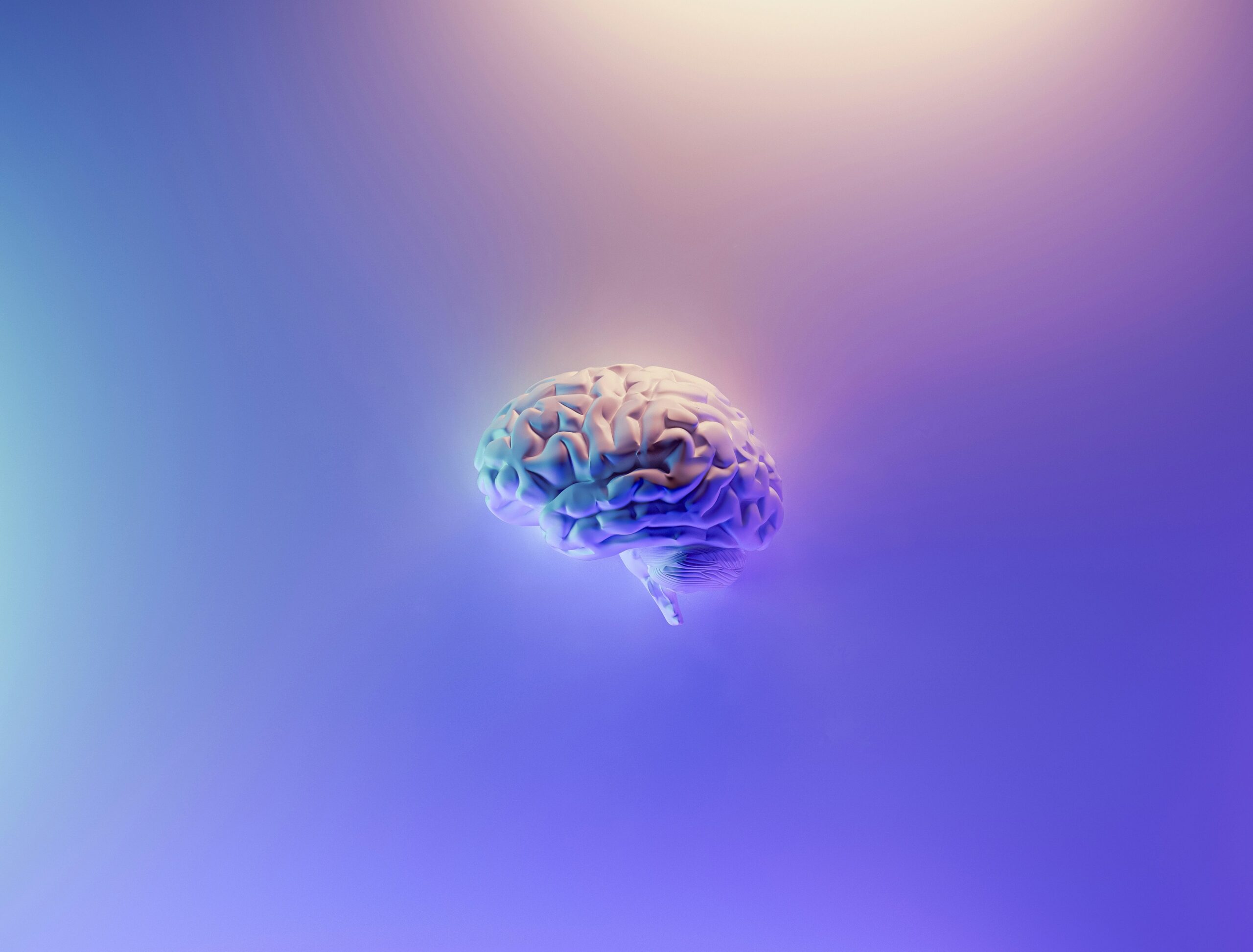
The science is clear: We need human connection to survive. Across social species, it is one of the strongest predictors of how long and how well we live. For adolescents, the drive for belonging is especially intense. When a teen feels like they don’t belong—at school, at home, among their peers—the same part of the brain that registers physical pain lights up.
It hurts that much.
Feeling excluded sets off a neurobiological threat response. Your heart rate climbs, blood rushes to your large muscles, your body readies itself to fight or flee. When fighting or fleeing are not possible (e.g., you can’t leave the place that feels scary), your nervous system shifts into freeze. Cortisol keeps your inner engine racing at full throttle, so you are hyper-aroused on the inside and completely paralyzed on the outside.
Under threat, the brain protects you by shutting down the very machinery you need for social engagement and learning. Clear thinking, working memory, impulse control—the work of the prefrontal cortex—go offline. From the outside, it can look like a teen who refuses to go to school. Who knows the answers but is unable to perform on the test. Who has chronic headaches, or a stomach that’s always upset. Who is quick to anger. Who reaches for alcohol or drugs to soothe the pain.
Each of these is a sign of a nervous system under distress.
I think of a young person in my practice who told me, down to the period, which class she had one friend in—and which ones she didn’t. The classes with a friend, she walked into. The ones without, she found a reason to be somewhere else. Same kid. Same brain. Different conditions.
Here’s the hopeful part. Connection doesn’t just feel good. It buffers stress at the level of the body. When we are near people we trust, the brain literally outsources the work of managing threat.
Experiments using fMRI imaging have shown that when a person faces a threat (like an electric shock) completely alone, the prefrontal cortex burns enormous amounts of energy to manage the fear. Give that same person a trusted hand to hold, and the prefrontal cortex goes quiet. The brain saves the energy because it no longer has to face the danger by itself.
This reaction explains why we feel less fearful and more capable when we are with people we trust.
When a teen feels safe and connected, their brain can stop scanning for danger. All that freed-up energy can be redirected into social and academic engagement, memory consolidation, and deep learning. Teens who feel secure in their relationships are more likely to show up, take risks, be curious, contribute, and dream.
Belonging is a biological experience that is foundational to healthy development.
Belonging is a biological experience that is foundational to healthy development.
But belonging doesn’t just happen. We have to design for it—and then monitor it with the same attention and rigor as we do other important measures. It may in fact be the most important thing to measure since it is predictive of so many other outcomes—including longevity.
There are many research-based strategies to increase belonging that have had positive results, but no one strategy works for every teen in every place. This is why it is critical that we partner with young people in our communities and listen deeply to understand what they are experiencing, what they need, and what they hope for. It is especially important to invite young people who are part of marginalized groups into the co-design process; they are more likely to experience ‘belonging uncertainty,’ and it is critical that any effort to increase social connection and belonging centers their experiences, needs, and ideas.
The teen in the nurse’s office, the 4.0 student who stops showing up—there is nothing ‘wrong’ with them. They are telling us that something about the conditions we have created is not working for them.
Want to learn more about the neuroscience of connection? Hear Kathleen speak at the opening session of #HealthyTeen26 in San Diego, October 5–7!
Kathleen Osta, LCSW, SEP, is the founder of the Adolescent Thriving Collaborative, an adolescent and family therapist, and a leading voice at the intersection of adolescent development, trauma recovery, and healing-centered systems change. With over 30 years of experience working with youth-supporting systems, Kathleen brings both clinical depth and systems-level perspective to questions of how young people learn, heal, and develop. Read more about Kathleen.