OCTOBER 6, 2026
At In/Tend, we’re on a mission to enhance the sexual and reproductive health and well-being of all young people. Through human-centered design, we cultivate and empower teams to develop innovative solutions to real-world challenges. We aim to build a world that affirms every young person, ensuring they have the agency, opportunity, and access to prioritize their bodies, relationships, and futures.
We’re excited to welcome our third and newest cohort of innovators! From tackling reproductive health misinformation to creating more inclusive sexual health education and encouraging conversations about gender, these four teams bring a range of experiences, perspectives, and ideas to their work. Over the coming months, they’ll collaborate, explore new approaches, and put young people’s voices at the center of their innovation journeys.
We’re looking forward to seeing what they discover, create, and learn along the way. We asked the teams to share more about who they are and why they wanted to be a part of In/Tend.
The 3 RHAPpers
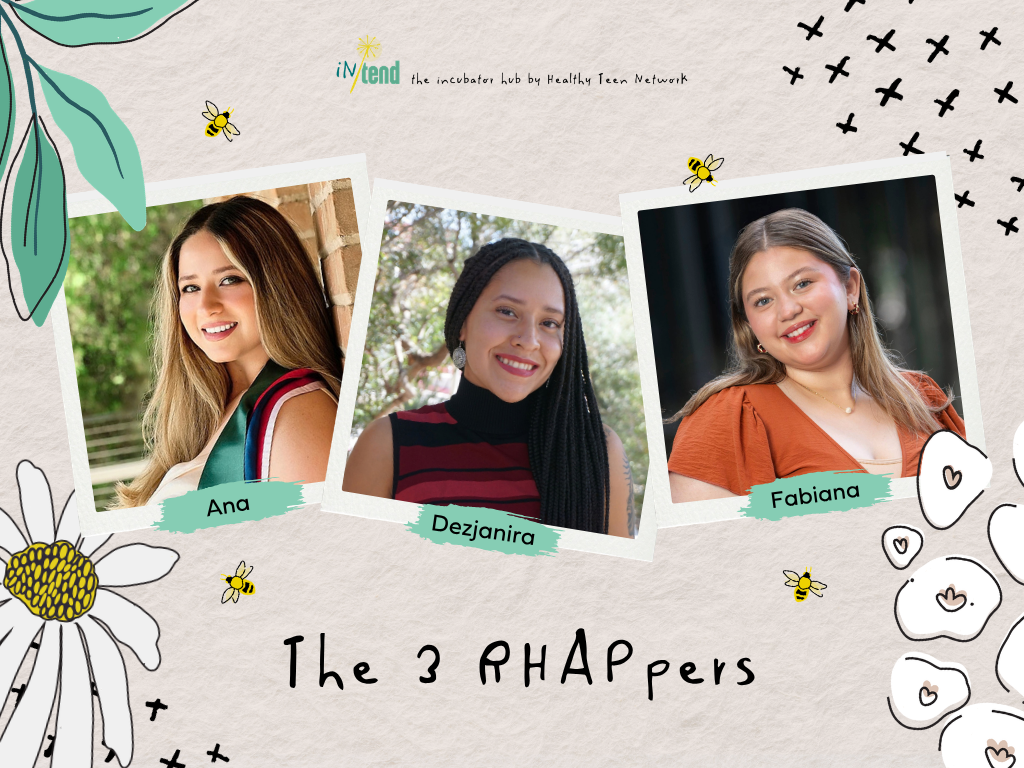
Meet the Team
Ana Jose Fernandez, BS, is a Social Media Program Assistant with El Rio’s Reproductive Health Access Project, where she develops youth-centered sexual and reproductive health content and supports outreach and civic engagement initiatives. A graduate of the University of Arizona, Ana serves on the Youth on Their Own Youth Action Board and the National Lived Experience Leadership and Advocacy Board. Drawing on her lived experience and commitment to health equity, she advocates for housing stability, youth empowerment, and improved access to care.
Ana Fabiana Fernández Acuña is a student at the University of Arizona’s W.A. Franke Honors College, pursuing dual bachelor’s degrees in Global Public Health and Medicine. She serves in leadership roles with Youth on Their Own, the Cradle to Career Youth Leadership Table, and El Rio Health’s Reproductive Health Access Project, focusing on civic engagement, healthcare access, and youth leadership. An Aspen Institute Seed Grant recipient and In/Tend Sprout Design Challenge participant, Ana is passionate about bridging clinical practice, public health, and policy to advance health equity.
Dezjanira Acuna is the Program Coordinator for El Rio’s Reproductive Health Access Project and has worked as a peer educator and community health worker since age 16. With a bachelor’s degree in Psychology and Criminology, she is a passionate advocate for bodily autonomy and reproductive health.
Their Challenge or Focus
Our current focus is on reproductive health misinformation among young people in Tucson. Through our work at El Rio Reproductive Health Access Project (RHAP), where we serve young people 14-24, we hear questions from young people all the time about things they have seen online, heard from friends or family, or simply never had a safe place to ask about. Behind those questions are real decisions about their bodies, relationships, and futures, which is what makes this challenge so important to us.
Young people are surrounded by more information than ever, but having more information doesn’t always make it easier to know what or who to trust. We don’t want to simply give young people more information. We want to understand what would actually help them feel capable of navigating it. That means listening to where they go for answers, what makes something feel trustworthy, and what gives them confidence when making reproductive health decisions.
Our current How Might We question is: How might we help young people in Tucson feel capable and confident when making decisions about their reproductive health, so they can navigate misinformation effectively?
Why They Applied
This work is really personal to all three of us. We started working in reproductive health and youth advocacy when we were young ourselves, and through RHAP, we have had so many conversations with young people who are trying to make sense of their health with information coming at them from everywhere.
We got our first taste of human-centered design through the In/Tend Sprout Design Challenge and loved how different it felt to start by listening instead of assuming we already knew the solution. The In/Tend incubator opportunity is a chance to take that much further. We want the time, mentorship, and resources to really listen to young people, challenge our own ideas, and build something with them, not just for them.
One Thing They Have Already Learned
One thing that has really stood out is learning how to bring all of our experiences at RHAP into this process while still staying curious. We already use trauma-informed and youth-centered practices in our work, but In/Tend has pushed us to look more closely at the assumptions we carry from those experiences and how they can shape the questions we ask. We’ve been learning how to turn what we’ve seen and heard in Tucson into better, more open-ended, and unbiased questions, so young people can tell us what their experience actually looks like. It has made us much more comfortable saying, “We don’t know yet, so let’s ask!”
What They Are Looking Forward to in Their Innovation Journey
We are most excited to sit down with young people and listen. We want to hear the questions they may not always feel comfortable asking, understand how they decide who or what to trust, and learn what would actually help them feel more confident navigating reproductive health information.
More than anything, we’re excited that we don’t know what the final solution will look like yet. We want the young people we talk with to help take us there.
BK Pollinators
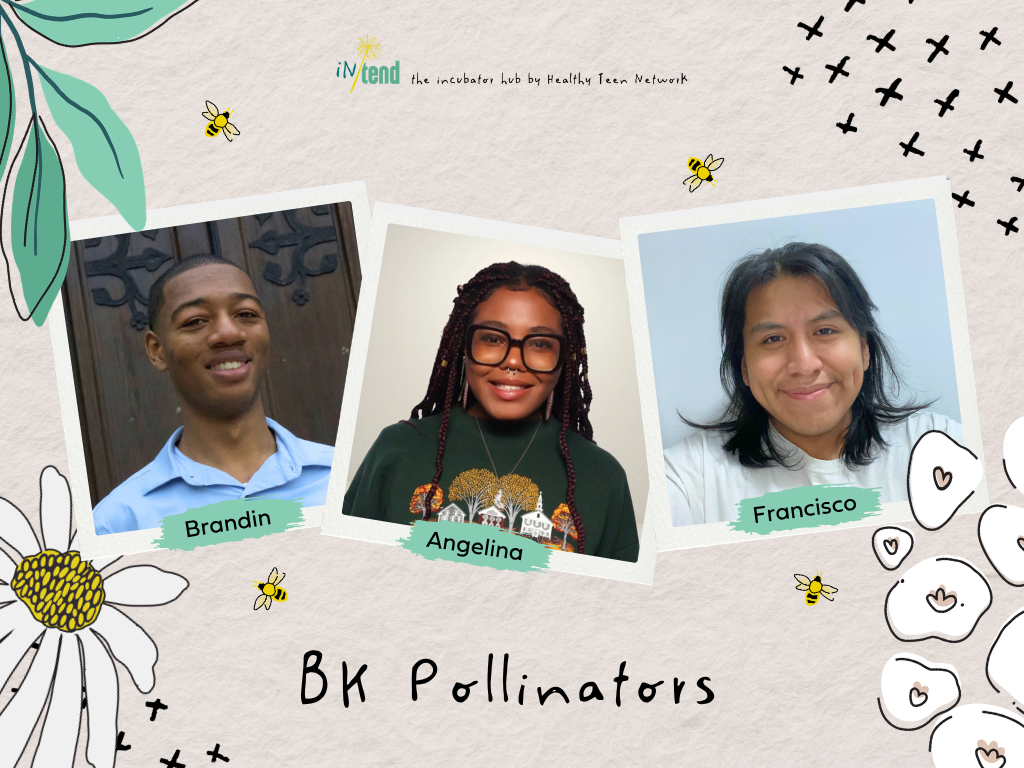
Meet the Team
Angelina Santos is a master’s student in Social Work at Hunter College with a passion for mental health and environmental equity. Grounded in the belief that communities thrive through mutual care and connection, she is committed to strengthening community relationships and expanding opportunities for people to support one another.
Francisco Rodriguez is a youth professional specializing in qualitative research, informal learning, and community engagement. He works as a Community Scientist at BioBus in New York City, bringing hands-on science education to K–12 students in underserved communities through mobile lab programs. With more than three years of experience in museums and out-of-school learning environments, Francisco is passionate about community-based research, collaboration, and co-creating knowledge with the communities he serves.
Brandin Moore is a computer science graduate from Brooklyn, New York, with a passion for programming, design, and creative technology. Inspired by human-computer interaction and accessibility, he enjoys combining technology and psychology to develop solutions that meet community needs. Brandin is particularly interested in using technology to tell stories, improve accessibility, and create positive social impact.
Their Challenge or Focus
We are focused on amplifying confidence in young adults to communicate about their sexual health in different social situations for the purposes of ownership in their wellness.
Why They Applied
We chose to apply for the In/Tend Incubator Hub to gain exposure to human-centered design and apply this methodology to a field that resonates to our experiences as young adults.
One Thing They Have Already Learned
After our first few weeks with the Hub, we have found it interesting to explore the parameters of our project by brainstorming and identifying potential biases.
What They Are Looking Forward to in Their Innovation Journey
We are looking extremely forward to meeting and getting to know our stakeholders for this project through discovery and insights initiatives and eventually designing a solution for them.
BodyWise
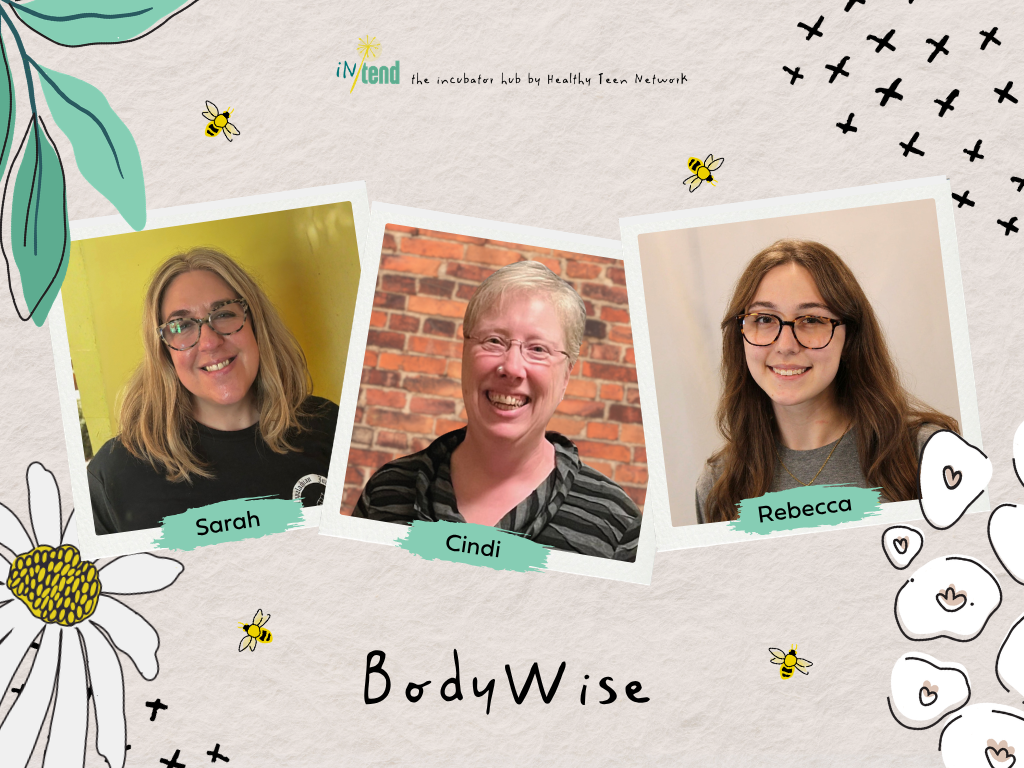
Meet the Team
Rebecca Pearson is a registered nurse at a Level I trauma center in rural Appalachia and a passionate advocate for reproductive health and community education. She co-founded a reproductive health student association that distributed more than 1,500 doses of emergency contraception and 3,000 condoms in its first semester. With nearly four years at RISE: Healthy for Life, Rebecca now serves as President of its Board of Leadership. She is pursuing Sexual Assault Nurse Examiner (SANE) certification and plans to earn a master’s degree in epidemiology.
Sarah White is a co-founder of RISE: Healthy for Life, which provides and promotes inclusive, trauma-informed sexual health education in Northeast Tennessee. A trained social worker, Sarah has spent her career working with young people and addressing systemic barriers to their well-being. She is passionate about addressing root causes; advancing person-centered approaches; and building lasting change through research, community wisdom, and collaboration.
Cindi Huss is a co-founder and the director of RISE: Healthy for Life, a nonprofit addressing the need for accessible, inclusive, and shame-free sexual health education in Northeast Tennessee. With more than 30 years of experience designing educational experiences, including 15 years focused on sexual health and trauma-informed care, she co-developed RISE’s Stellar Sexual Health Education curriculum and workshops. An instructional designer and trained journalist, Cindi is passionate about challenging assumptions and creating engaging, community-driven approaches to education.
Their Challenge or Focus
BodyWise is asking: How might we support young people (ages 18–24) with disabilities, so they feel represented, seen, and prepared for sexual wellness and experiences?
Why They Applied
After taking the Sprout Challenge, we were excited to use human-centered design more intentionally from the start to and unlock new opportunities for our community. The In/Tend program provides essential support and scaffolding for learning these new skills.
One Thing They Have Already Learned
We’ve already been learning about navigating different learning and communication styles in our team and in the cohort, which definitely fosters personal growth.
What They Are Looking Forward to in Their Innovation Journey
We are so excited to begin gathering direct community insights. We are also looking forward to hearing both the wins and challenges of the other teams in our cohort, so we can all learn from them and cheer each other on!
Waking Dreamers
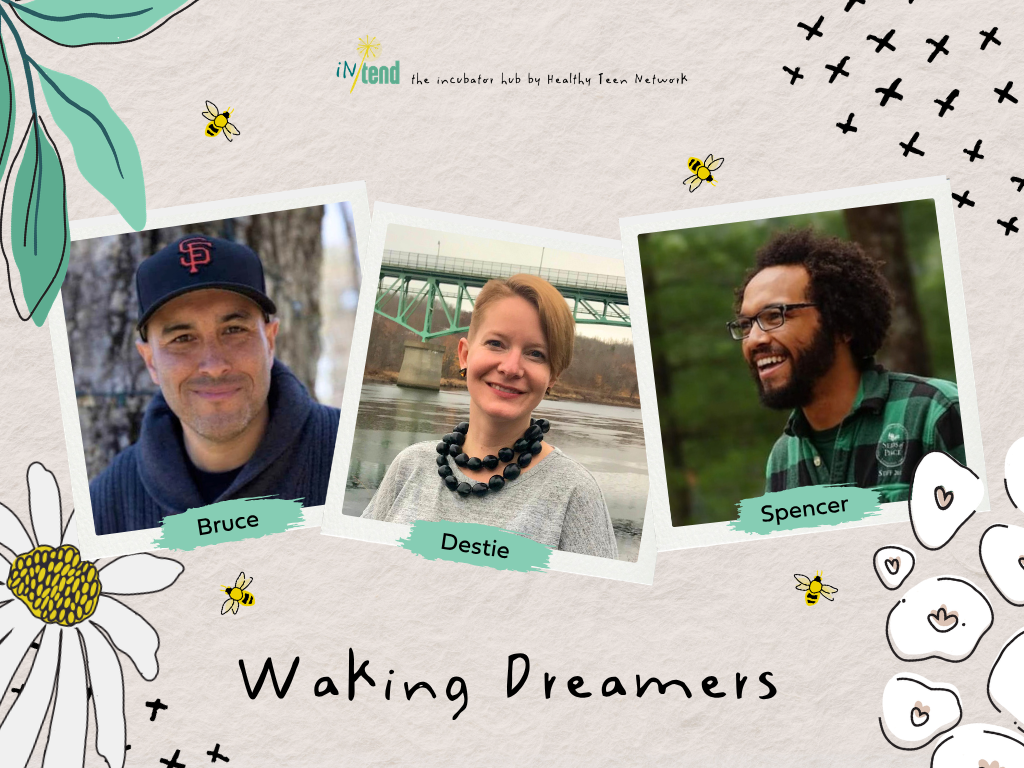
Meet the Team
Destie Hohman Sprague is the Executive Director of a collaborative alliance of feminist organizations: Hardy Girls, the Maine Women’s Lobby, and the Maine Women’s Lobby Education Fund. With a career focused on gender equity, sexual violence prevention, and women’s health advocacy, Destie is passionate about strengthening organizational infrastructure and aligning policies and practices with organizational values. She is committed to building a more resilient feminist sector and advancing justice across Maine.
Spencer Traylor is the co-founder and Director of Community Development at Samara Strategies, bringing more than a decade of experience in education, facilitation, and program design. His work has included leading internship programs at Tree Street Youth, developing Next STEP High School for Lewiston Public Schools, and facilitating programs at Seeds of Peace International Camp. Spencer partners with schools, nonprofits, and colleges to facilitate conversations and advance community-led transformation.
Bruce King is the Executive Director of Maine Boys to Men, where he works to engage boys and young men in building healthier models of masculinity and stronger communities. He also serves as Co-Chair of Maine’s Permanent Commission on the Status of Racial, Indigenous, and Tribal Populations. With extensive experience facilitating conversations about identity, power, belonging, and accountability, Bruce is committed to advancing justice across Maine.
Their Challenge or Focus
We are designing a way to support high-school aged teens in Maine to approach conversations with their peers about gender with genuine curiosity and authenticity. We want to explore innovative approaches that allow young people to productively engage with each other and their communities about the social expectations and experiences that shape their lives, without feeling judged, excluded, or dismissed.
Why They Applied
Our organizations are coming together to build something new: a shared tool to help young people navigate gender, consent, communication, boundaries, and sexual health.
We each work with different communities and demographics—from middle and high school students to college-age adults. Our work gives us a chance to bring together perspectives and experiences that don’t always share the same space.
Our goal is to create a resource that meets young people where they are, while helping them build skills they can carry with them as their relationships and lives evolve. We’re especially excited about the possibility of creating opportunities for young people from different backgrounds, identities, and communities to learn from one another.
This collaboration brings together different areas of expertise, relationships, and lived experience. By building together, we hope to create something that is more useful, more inclusive, and reaches further than any of us could on our own.
One Thing They Have Already Learned
Each of us is a professional with our own experiences and connections that inform our approach to dialogue with teens: It can be easy to fall into habits and to recreate something familiar, but we want to create space for young people themselves to inform this design process. Right now, we are working hard to name and check the assumptions and biases that we bring into this process.
What They Are Looking Forward to in Their Innovation Journey
Social and cultural norms and expectations plays a powerful role in our personal, social, and cultural lives, and as a team, we talk constantly about what that means, how gender is showing up in our own work and in our organizations, and with the young people we work with. We’re curious how we ‘set a table’ that helps young people think critically about these dynamics without falling into their own habits of thinking. How do we overcome our own biases and tendencies and discover some real ways of engaging youth about gender in ways that are new to them, and also to us!?
Each team’s innovation journey will look a little different, but they’re united by a shared commitment to listening, learning, and creating meaningful change alongside young people and their communities. As they explore new ideas, test assumptions, and uncover opportunities for innovation, we’ll follow their progress and share highlights from their innovation journey.
Stay tuned for updates, insights, and lessons from our newest innovators as their projects take shape. Want to follow along? Sign up for the In/Tend email list to get the latest news, resources, and stories delivered to your inbox!
Photo By: Bernd Dittrich
Allison Tomai Felsen is a Senior Communications Manager for Healthy Teen Network who provides design and communications expertise for projects and manages our website. Allison and her husband are proud parents of a pup and two cats. Read more about Allison.