DESTIE HOHMAN SPRAGUE
MAY 21, 2026
As a team grounded in adolescent sexual and reproductive health, youth development, and prevention work, we brought decades of experience to our In/Tend innovation development team, the Waking Dreamers. As three Executive Directors of youth-focused organizations, between us, we have experience ranging from direct work with formerly incarcerated young people to federal public health grants management to national norms-change theater programming, and more.
But one of the most important things we did on this project was step outside that expertise—and into discomfort.
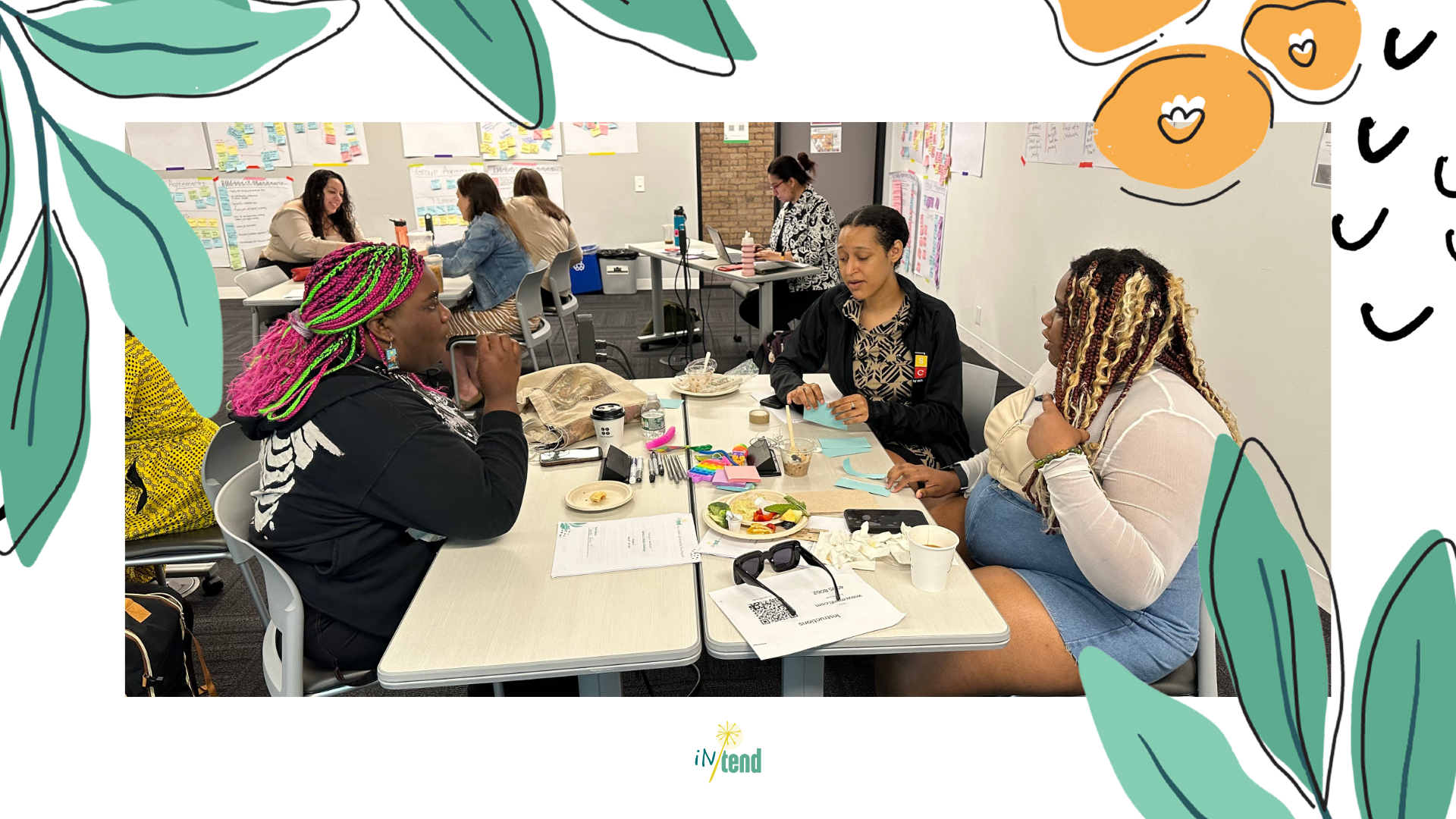
Through a series of experiences, including the experience of learning to be human-centered design innovators as part of the In/Tend cohort, we placed ourselves in unfamiliar situations: asking vulnerable questions, navigating unclear systems, sharing planes and trains and rooms with each other, and relying on others for guidance. In short, we tried to feel what it’s like to be a teen navigating and learning to talk about hard things.
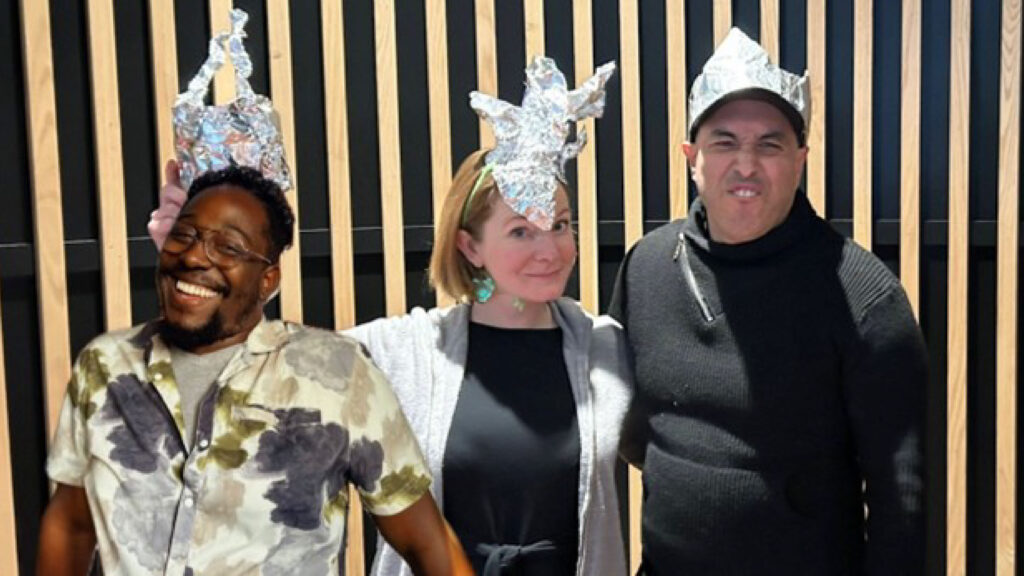
The members of Waking Dreamers: Orande, Destie, and Bruce
Here’s what we learned:
Vulnerability is physical—and immediate.
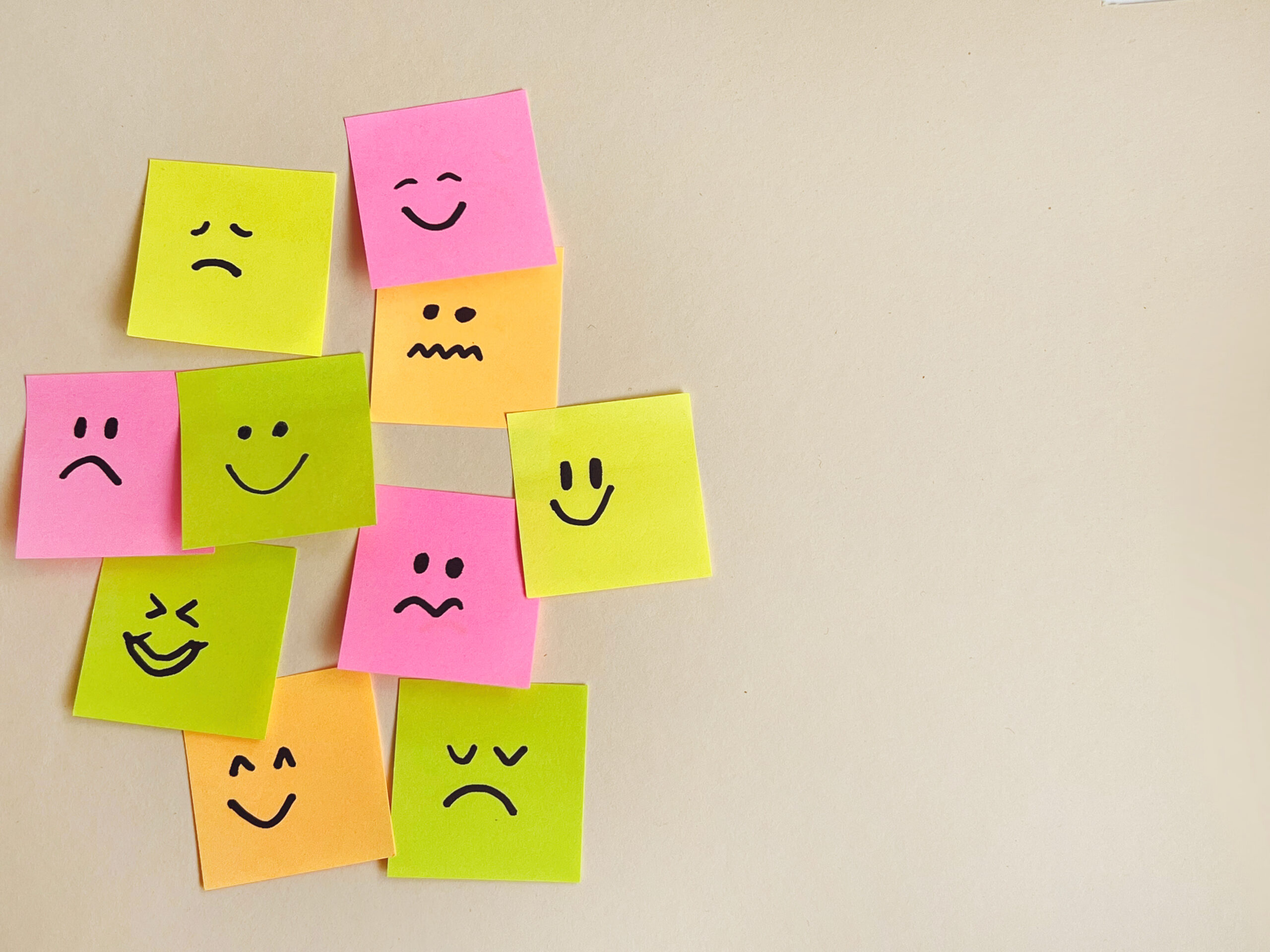
This wasn’t theoretical discomfort. It showed up in our bodies: racing thoughts, quiet voices, second-guessing, even forgetting what we planned to say. If adults feel this way, it’s easy to understand why teens sometimes freeze or deflect.
Not knowing is harder than we admit.
Even as experts, we caught ourselves thinking, “I hate not knowing things.” Entering a beginner’s mindset—especially in front of others—requires humility and practice. It’s not a default setting.
Power dynamics are always present.
Identity and perceived authority shaped every interaction. Who was asking questions, who was answering, and who was watching all influenced how we interacted with each other and the work, as well as what felt possible to say. Even subtle dynamics shifted our confidence and openness.
First reactions have big impact.
A fleeting facial expression or tone—surprise, discomfort, even a quick “yikes”—can land hard. Those first signals shape whether someone feels open and inviting, or closed and shut down, regardless of what comes next.
The environment can heighten or ease anxiety.
Waiting, being observed, new spaces, and unclear steps all amplified discomfort. In contrast, quieter spaces, side-by-side interaction, shared creation, and moments of humor made engagement easier. The context isn’t a backdrop; it’s an active ingredient.
We all cope with discomfort differently.
Some of us got quieter. Some filled the space with questions. Others tried to take control or used humor to deflect. These responses weren’t random—they were strategies. Teens use the same ones.
Doing something together builds connection—and risk.
Shared activity can create intimacy, but it also raises the stakes. What if you’re bad at it? What if you misunderstand? Trust in the group determines whether that risk feels manageable or overwhelming.
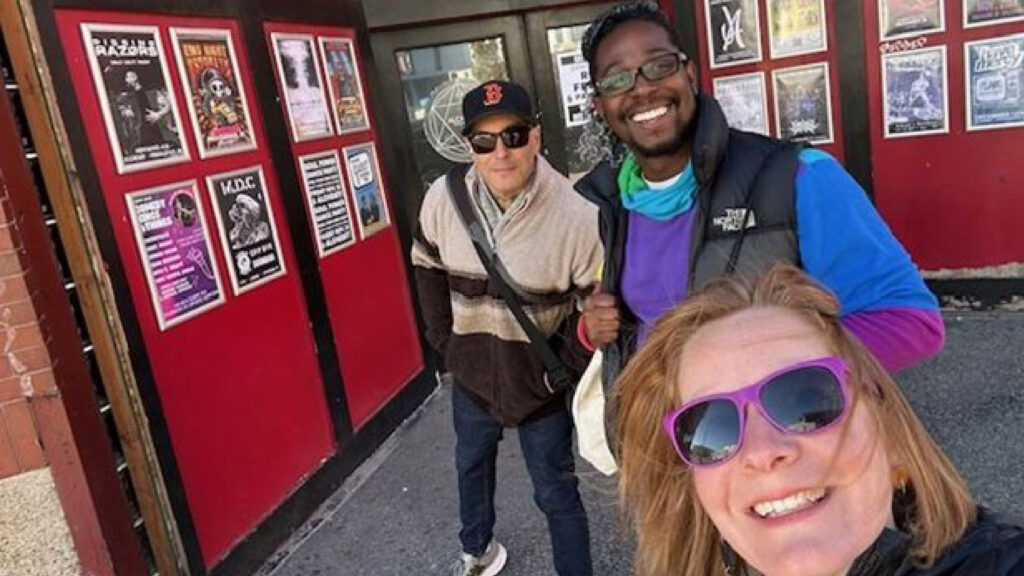
New experiences and activities pushed the team outside their comfort zone.
Confidence doesn’t travel across contexts.
Feeling competent in one area didn’t protect us from feeling lost in another—being pretty competent adults didn’t prepare us for That gap—between who you think you are and how you feel in the moment—is something many teens navigate every day.
Choosing to participate doesn’t make it easy.
We opted in—and we still felt awkward, self-conscious, even tempted to leave. That’s a critical reminder: willingness isn’t the same as comfort. Good design and thoughtful support are what make participation meaningful.
Food and fun helped us move beyond the assignments.
As long-time colleagues, we felt ready to tackle the work together. But it was in moments sharing a meal, embarking on an adventure, or playing air hockey that we found ourselves connecting as people, not professionals, and really opening the door to vulnerability. It felt good to be human together.
These experiences made something clear: learning to talk about gender, sex, power, and relationships isn’t just about having the right information. It’s about navigating emotion, identity, environment, and risk all at once, with still-growing skills!
For teens, these moments aren’t exercises—they’re real life.
If we want young people to communicate with confidence and care, we can’t just tell them what to say. We have to create the conditions where they can practice, make mistakes, be vulnerable learners, and still feel seen and supported.
If we want young people to communicate with confidence and care, we can’t just tell them what to say. We have to create the conditions where they can practice, make mistakes, be vulnerable learners, and still feel seen and supported.
That’s the work. It starts with understanding just how hard, and how human, it really is. And reminding ourselves of our own humanity and vulnerability helps us stay close to that experience and have greater empathy for the teens we work with, our teammates, and ourselves in the process.
Interested in learning more about In/Tend and how you can join our teams of dreamers, doers, and changemakers? Make sure you’re on our email list to get the latest updates and stay inspired.
Photo By: boryanam
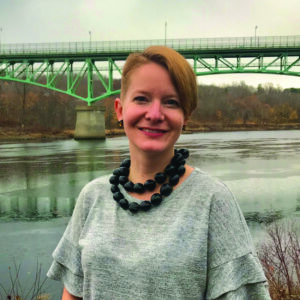
The Waking Dreamers are three Maine leaders seeking ways to use their collective strengths to improve adolescent health in their state by participating in the Healthy Teen Network’s 2025-36 In/Tend Innovation Hub. Destie is Executive Director of Hardy Girls, a feminist youth leadership organization; Bruce King is Executive Director of Maine Boys to Men; an organization supporting healthy masculinity; and Oronde Cruger is Executive Director of Speak About It, an organization using theater and dialogue to promote consent and healthy relationships.