Maisy Anderson
MAY 7, 2026
Together with Morgan Peterson and Sam Wakefield, Maisy is part of the CodED innovation development team for In/Tend, the Healthy Teen Network Incubator Hub. They are working to expand access to comprehensive sex education in rural communities. Grounded in youth support, community organizing, program development, and accessible communications, the team takes a human-centered, community-led approach to addressing gaps in sex ed. Building on early learning and feedback from young people, CodED is focused on prototyping and testing practical, responsive solutions that meet the real needs of rural caregivers and strengthen access to accurate, affirming education.
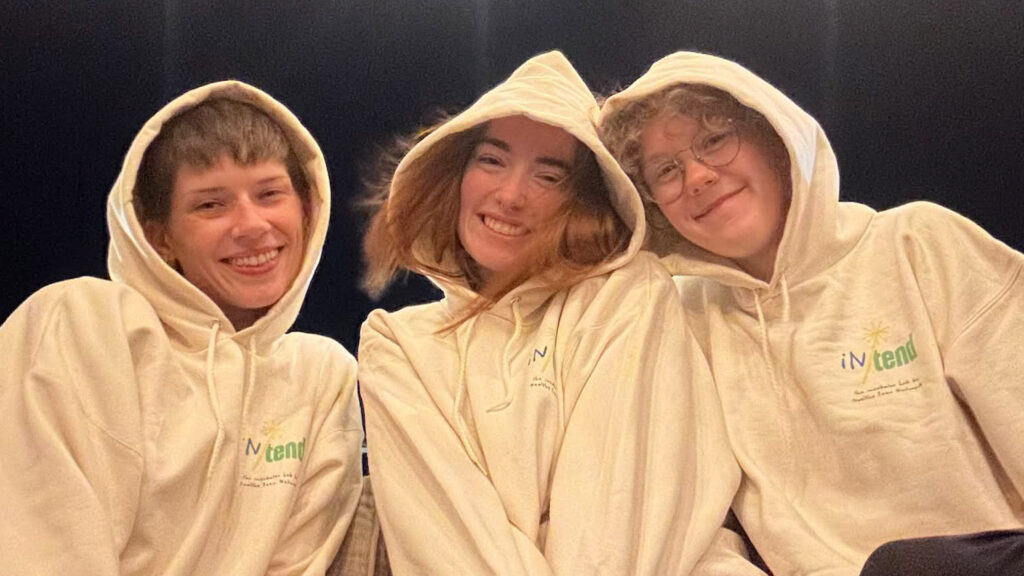
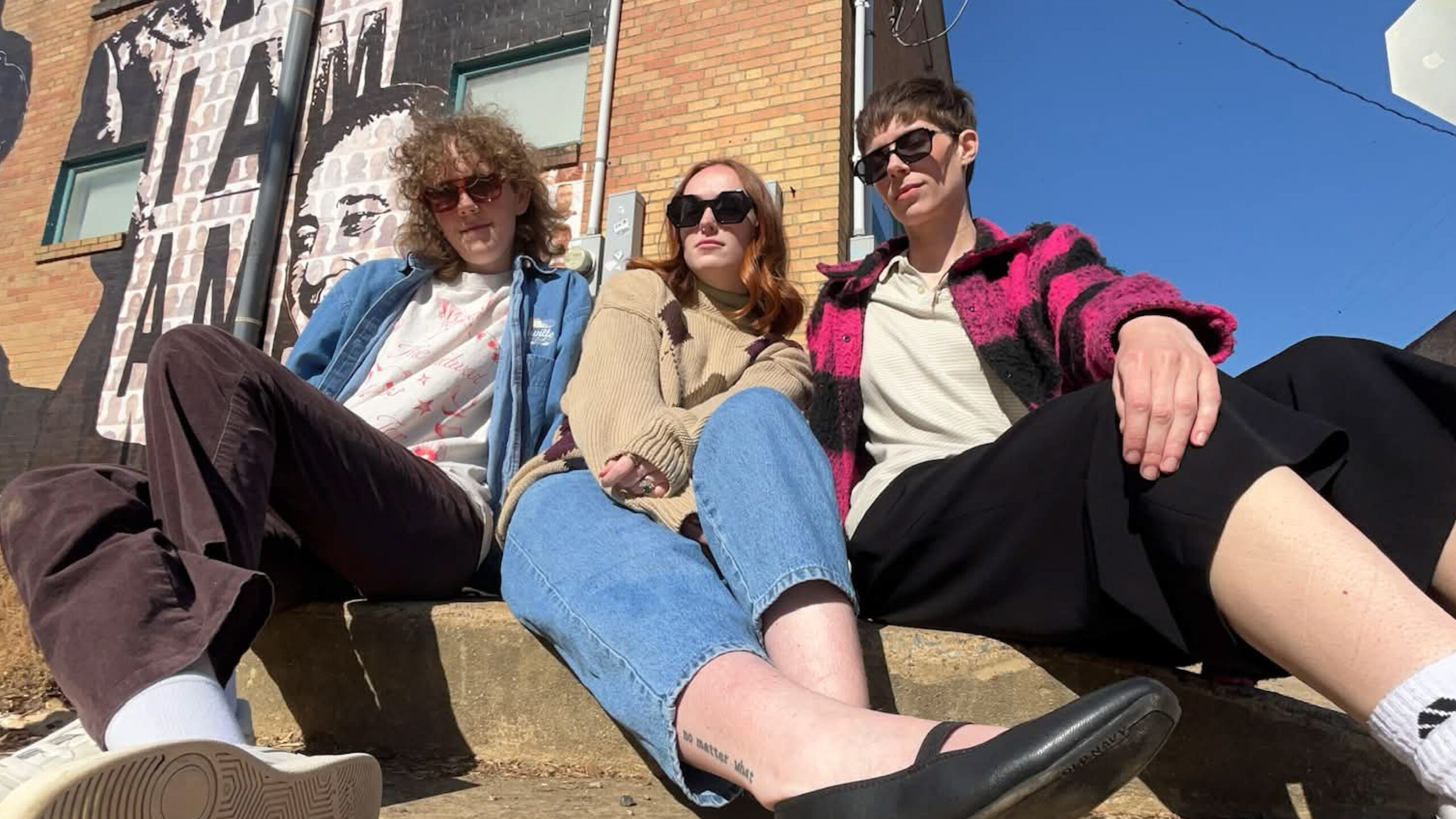
The members of CodED: Sam, Maisy, and Morgan
Before our journey with In/Tend, we weren’t really a team in the way people imagine. We were three people, all working within the same organization, but in different states across the country. We worked together often, but our work looked very different. We each had our own lanes, our own projects, and we would come together when needed, but there wasn’t much direct collaboration woven into how we operated day to day.
That began to change when we stepped into In/Tend, where we’ve now participated in two cohorts, giving us the chance to continue building on what we started.
In our first cohort, we had the opportunity to truly collaborate. Not just coordinate but actually be in conversation with one another. We were hearing each other’s ideas, building off of them, and letting our work overlap in ways it hadn’t before. That also meant letting go of some control. We came in with a pretty strong perfectionist mindset. We wanted things to be right, polished, and figured out before moving forward.
But that’s not how human-centered design works.
There were highs and lows. Moments where things felt exciting and aligned, and moments where things felt messy and unclear.
There were highs and lows. Moments where things felt exciting and aligned, and moments where things felt messy and unclear. What we learned, though, was how to stay in it. We started to shift from a perfectionist mindset to a learning mindset. Instead of asking, “Is this right?” we started asking, “What can we learn from this?” The permission this experience allowed us has changed everything in the way we work.
Now, in our second cohort, we’ve found a rhythm.
Our collaboration looks different now. We have a deeper understanding of each other’s strengths, and we trust each other to lead in those areas. There’s less pressure to do everything perfectly and more space to try, reflect, and adjust. We’re also more aware of the assumptions and biases we each bring to the work. Not in a way that shuts us down, but in a way that helps us be more intentional about how we design and who we are designing for.
Through our journey, we’ve built a deep respect for one another.
For one of our analogous experiences—where we seek out similar yet different experiences to gain fresh insights and ideas—with this cohort, we wanted to explore what trust and autonomy actually feel like when they exist together. We decided to go to a tattoo shop and get matching tattoos.
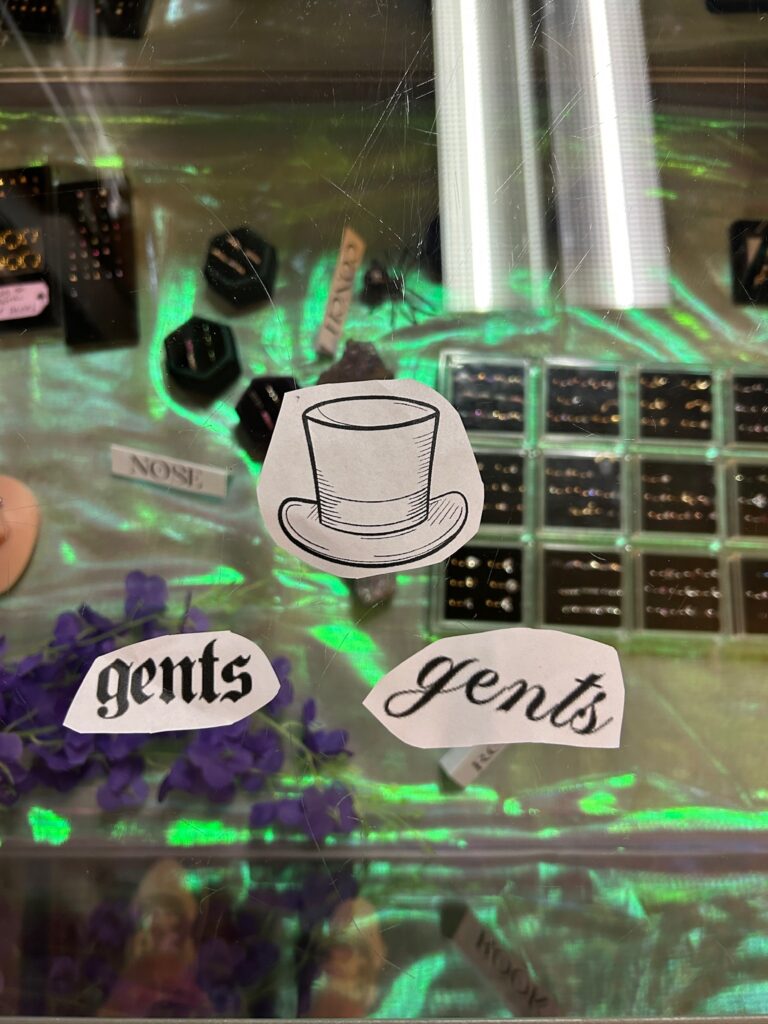
Each team member’s tattoo design was different but had the same overall concept.
We all agreed on the concept, but everything else was up to the individual. Placement, font, size, and variation of the word “gents” were all personal choices. No one told anyone else what theirs should look like. We had shared guidelines, but within that, there was full autonomy.
That experience ended up reflecting something much bigger.
What we’ve learned is that trust is built when both structure and autonomy exist at the same time.
In our work, especially when thinking about parents and young people, we see this same dynamic play out. There’s often a belief that structure and autonomy are at odds with each other, but they’re not. What we’ve learned is that trust is built when both structure and autonomy exist at the same time. Clear expectations and shared values can create a foundation, while still allowing people to express themselves and make choices that feel true to them.
The goal isn’t for everyone to do things the exact same way. It’s to be aligned in purpose, while still honoring self-expression and decision.
“Gents” has become more than just a word to us. It’s become a tip of the top hat that says: I see you, I respect you, I am not going anywhere. It means we each bring something different, and that difference is celebrated. It means that whatever challenge finds us, we will meet it with grace and elegance. And of course, a little fun!
This is what we want for the parents and youth we serve, too. Not a script. Not perfection. Just enough trust in each other and in a shared foundation to show up honestly, in their own way, on their own terms. To have the conversations that matter. To become, in whatever form it takes for them, their own kind of gents.
Interested in learning more about In/Tend and how you can join our teams of dreamers, doers, and changemakers? Make sure you’re on our email list to get the latest updates and stay inspired.
Photos By: Maisy Anderson
Maisy Anderson is the Deputy Director of the Transformation Project and Director of the Prism Center in Sioux Falls, South Dakota. With a background in social work, she has spent years building accessible, community-driven resources for LGBTQ+ individuals and their families. Her work focuses on creating spaces that foster connection, education, and belonging.