
SEPTEMBER 10, 2026
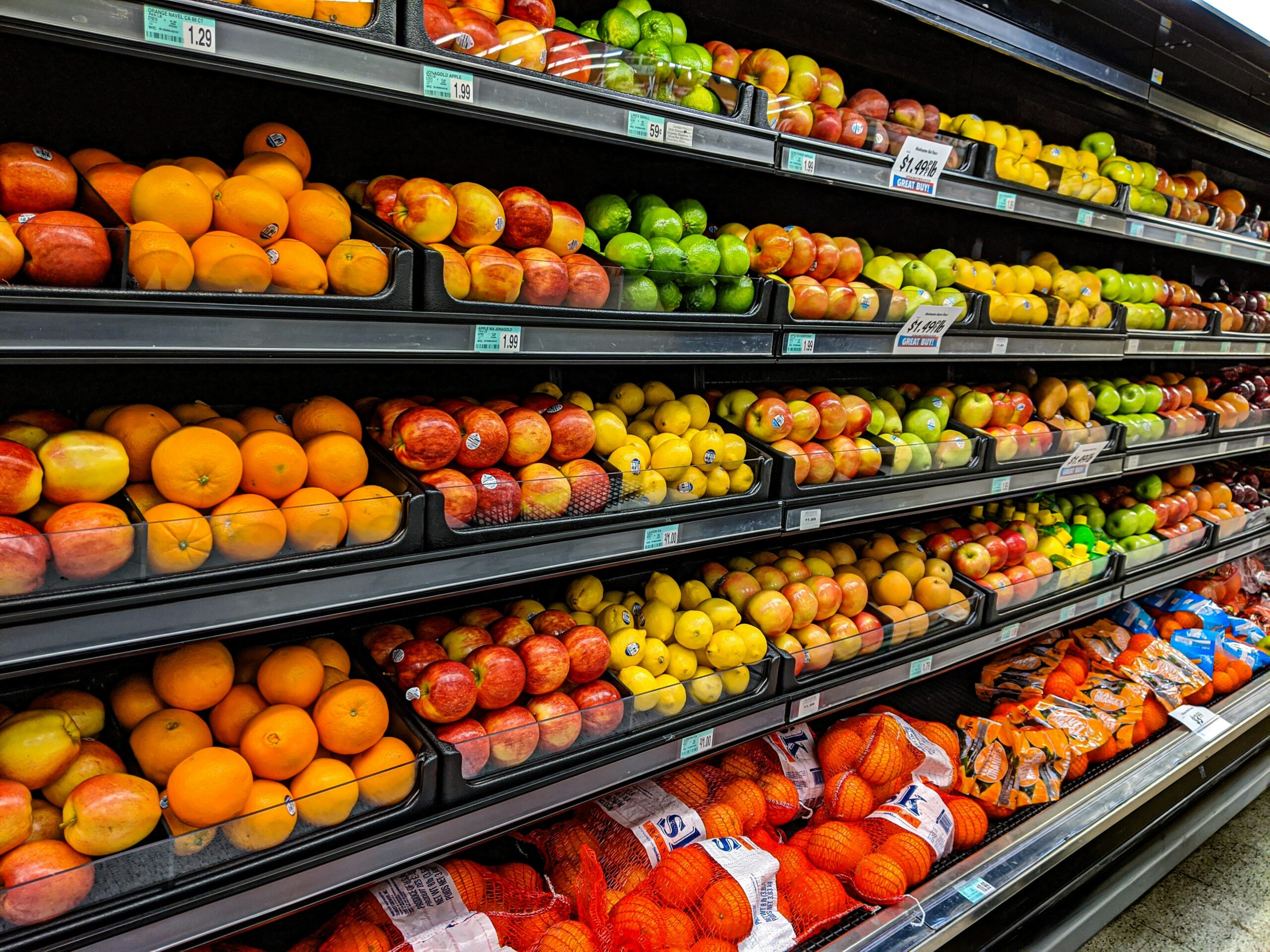
As a kid, I thought that becoming an adult came with the development of a special skill: the ability to purchase groceries at random and turn them into recognizable meals. It seemed my parents filled our shopping cart without any rhyme or reason and left no ingredients wasted as they crafted dishes throughout the week.
After I started shopping for myself, it became clear there was much more to it: There was a great deal of forethought and planning that went into feeding a family of five. For a while, I was wasting tons of money and food on ingredients I never really needed. It was not uncommon to have a rotating roster of food going bad in the back of the fridge, only to be remembered once one of my unfortunate college roommates discovered the biohazard. (And if you’ve just remembered the bag of mixed greens that have surely liquified by now, maybe put it out of its misery once you finish reading this.)
One change made all the difference in my grocery habits, though: Recipes! Once I began meal planning with specific recipes in mind, I was able to shop more efficiently, cook with less stress, and waste far less produce. It sounds simple, but if you’ve ever gone grocery shopping or picked a dinner restaurant when you’re already hangry, you know how difficult it can be to maintain your rationality.
As humans, our physiological and psychological states are closely linked, so an empty stomach is not unlike a heightened stress response. A state of emotional arousal can decrease our ability to think of the coping mechanisms that would bring us back to equilibrium, just like how being hungry can decrease our ability to plan the week’s meals. This can be especially true for young people, who don’t have a lifetime of experience building regulation skills.
In the same way, recipes can also be picked out ahead of time to manage stress, with grounding exercises serving as the ingredients.
Now, I choose recipes and make my grocery list before I go to the store, so once I show up, I don’t have to think twice about what I need, and when it’s time to make dinner, I don’t have to figure out what to cook. In the same way, recipes can also be picked out ahead of time to manage stress, with grounding exercises serving as the ingredients. That way, when a young person is feeling overwhelmed, emotional, or triggered, there’s already a plan in place to help them re-regulate.
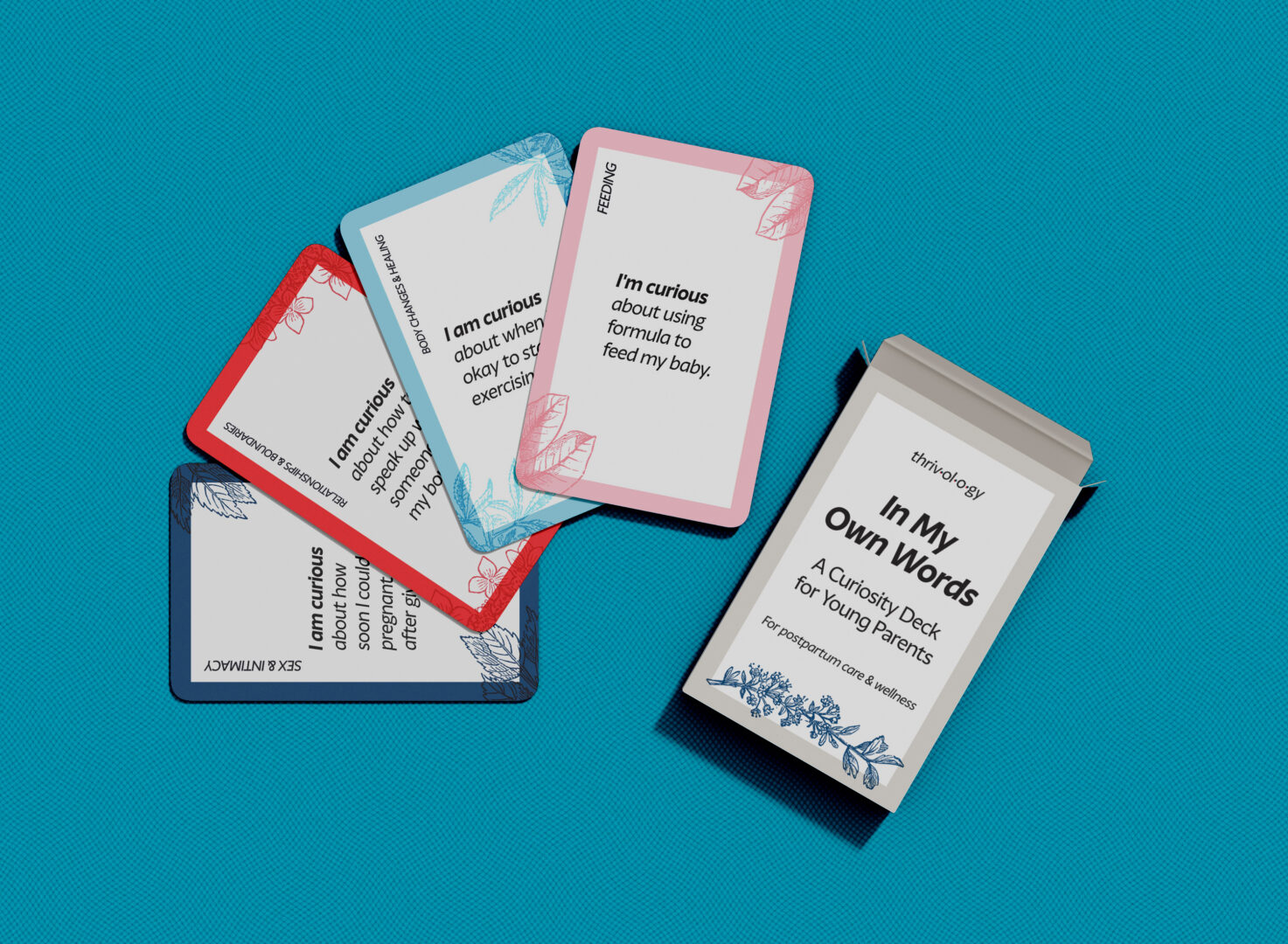
Cue our new resource, Grounding Exercises: How to Create Grounding Recipes with Young People. This guide is for youth-supporting professionals and young people to practice grounding skills together. It is designed to be used with the Thrivology Grounding Exercises and helps you support young people in choosing and combining those exercises into simple grounding “recipes” for stressful and overwhelming moments. There are a few sample recipes inside to inspire your own. And, just like changing your menu based on what’s in season, you can build different recipes for specific situations.
There may still be days that I dread cooking dinner, and there will definitely be times when emotional regulation doesn’t come easy. But having pre-planned recipes can make those moments so much more manageable. Grounding recipes can be a gift you help a young person pick out for their future self, and my sister’s chicken burrata sandwich recipe will be the gift I pick out for my future self this week.
Photo By: Gemma C
JB Rodriguez-Anello is a Research Assistant at Healthy Teen Network. As an academic and artist at heart, he is always finding new ways to make empirical evidence look cute. You can often find them listening to a podcast or doing crossword puzzles. Read more about JB.