
MARCH 13, 2026
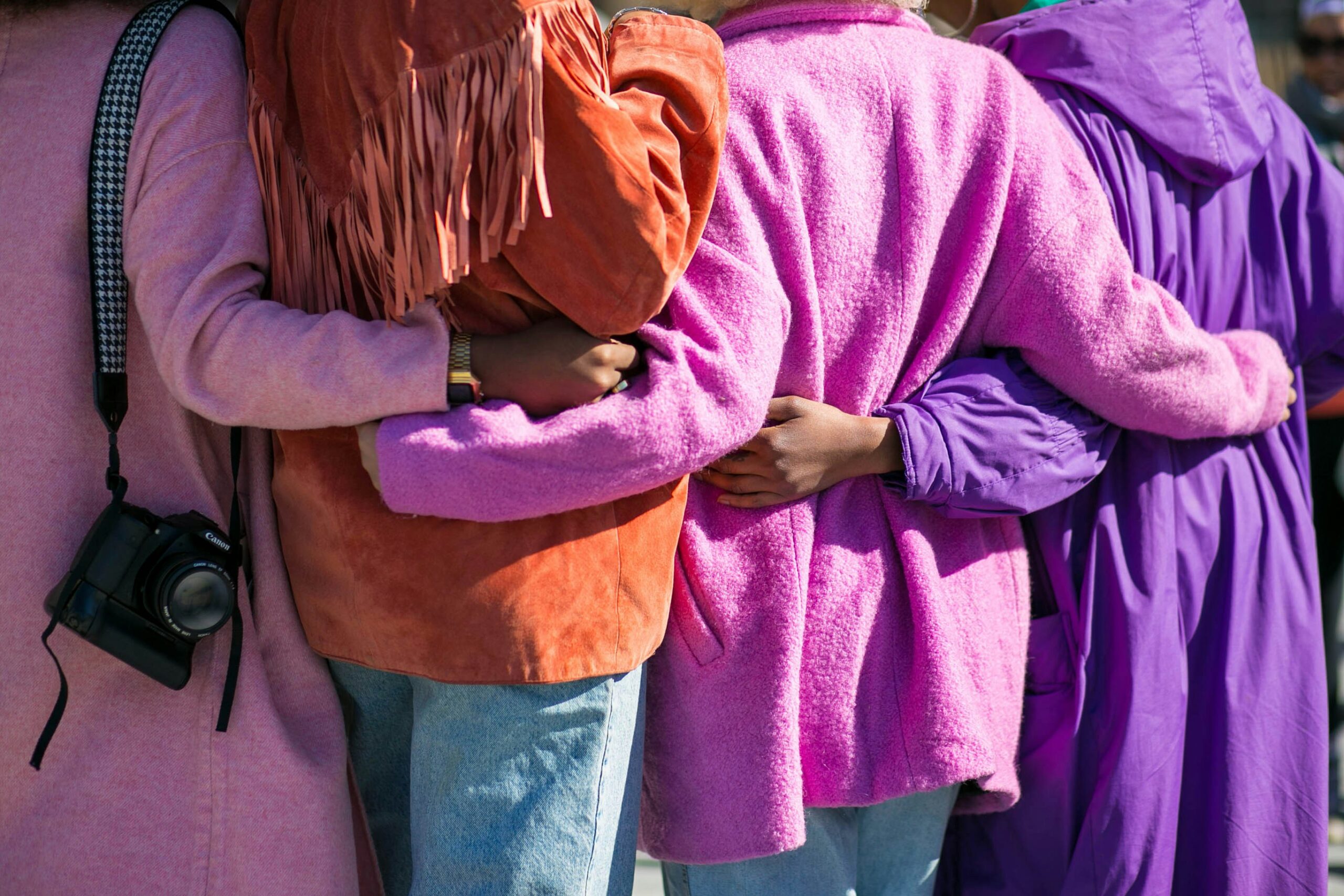
Whenever I open Instagram, it feels like my entire feed is filled with content about the importance of community…from mutual aid requests to “everybody wants a village, so be a villager.”
When systems fail us, how can we support each other to thrive?
As I’ve been reading and hearing more about folks turning to one another for support, care, and resources, I’ve been thinking about how this drive for connection impacts sex ed. When systems fail us, how can we support each other to thrive? When schools, clinics, and other systems are not showing up for young people, especially for queer, trans, Black, Indigenous, and people of color, what can we do to try to fill in those gaps?
Enter community-based sex education.
By ensuring caregivers, local leaders, and youth-supporting folks have access to medically accurate and understandable information, we’re meeting young people where they are. Bringing young people and their caregivers to learn together, having community conversations, and making your resources accessible is CRUCIAL always, but especially now. When schools, federally funded programs, and beyond are being told they cannot say “gender” or “sexuality” or even share medically accurate information, we need to turn to folks outside of the normal systems we may typically rely on.
Here are some examples of youth-supporting professionals across the nation who are showing up for their communities.
- Your Empowered Sexuality is a Philadelphia-based organization providing education not only to young people in schools, but also to teachers, caregivers, and healthcare providers. Beyond the “typical” sex education topics, they also do workshops on nutrition, body liberation, and anti-fatness.
- Talk More is doing incredible work to support caregivers in having shame-free conversations with their young people in the Atlanta area and beyond! They’re holding workshops in the community, but they also have AMAZING free resources on their website, like Parent Planners, categorized by age to prepare caregivers for age-appropriate conversations with their youth. Their Values Expressions Exercise and Conversation Generator provide guidance for a conversation that so many parents are afraid of!
- Healthy Native Youth holds virtual Community of Practice calls for folks supporting Native young people. By bringing folks together to focus on specific topics, they’re offering space for caring adults to problem-solve, commiserate, share wins, and find resources. They also have a text message service that gives caring adults tips on talking with young people about mental health!
- Other educators, like SexEdU, SxEdFiles, SexEdForGuys, and more are turning to social media to reach their communities! Young people (and really, anyone) may find themselves using TikTok as a search engine for health information, and it’s folks like these who are ensuring that there is medically accurate, understandable, and relatable information there for them.
While restrictions on federal funding and public education are rampant, community-based sex education can offer a different perspective that public education may not be able to. In an individualist society rooted in white supremacy, for some of us, the more organic, grassroots community approaches can feel like intimidating.
And yet, at the same time, since humans have been around, people have been building communities and relationships to stay connected, to be protected, and to resist systems of oppression. From neighborhoods to group chats to villages and beyond, a sense of belonging has provided people with purpose. Turning to our neighbors instead of relying on systems designed to oppress us helps us support young people and, in turn, makes us all better.
Photo By: Vonecia Carswell
Sam is an experienced facilitator of curriculum focused on sexual health, puberty, safety, and relationships for adolescents. She has expertise in outreach, communications, and strengths-based critical thinking. Sam is passionate about the ways in which trusted adults can provide skills, knowledge, and support so adolescents can make informed decisions. Sam is dedicated to the advancement of justice through collaboration and co-creation. Read more about Sam.