EntreNos: Parent Youth Health
JULY 2, 2026
Por favor, let’s be real.
These times have millions of people on edge. As a result, it has fomented a chronic state of threat for teenagers during the most pivotal years of development and their caregivers, who juggle multiple stressors amid their kids’ adolescence phase. These issues have been especially difficult for the Spanish-speaking Latine immigrant communities in urban cities like New York, Los Angeles, and Chicago.
We have a deep connection and motivation for our work, and we recognize the importance of advancing this work, especially in the context of the U.S. sociopolitical turmoil that has made our professional and personal lives stressful.
Historically, researchers and program designers working with communities have not shared identities and experiences with their research participants. On our end, we are part of the Spanish-speaking Latine community, as our own families, friends, and neighbors are among the end-users of our innovation. We all do direct service work from mental health psychiatric services to sexual health education in schools, clinics, and community spaces. We have a deep connection and motivation for our work, and we recognize the importance of advancing this work, especially in the context of the U.S. sociopolitical turmoil that has made our professional and personal lives stressful.
So, where do we stand as three Latines who are part of In/Tend, the incubator hub by Healthy Teen Network, as we try to do work with our own Latine Spanish-speaking caregiver community?
The unexpected challenges that were dealt with pushed us to brainstorm and pivot to new strategies as we made our way through the In/Tend innovation pipeline. Through our learned experience, we would like to pass along the following three pieces of advice for the next In/Tend Incubator Hub teams.
- Safety should always take priority.
- Allocate money in the budget for unexpected costs.
- Pause and engage in rest.
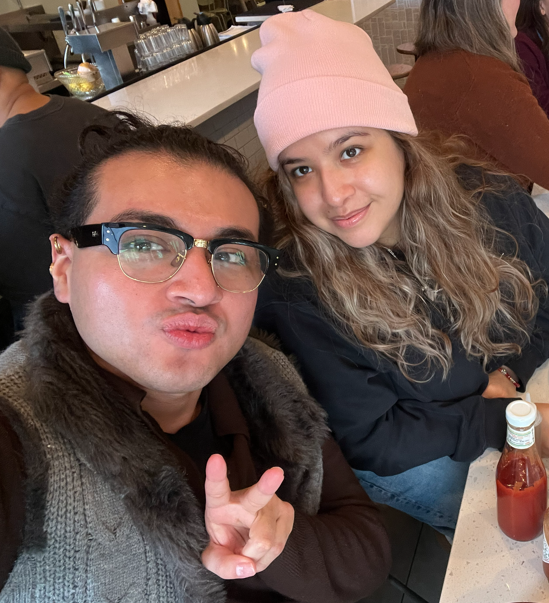
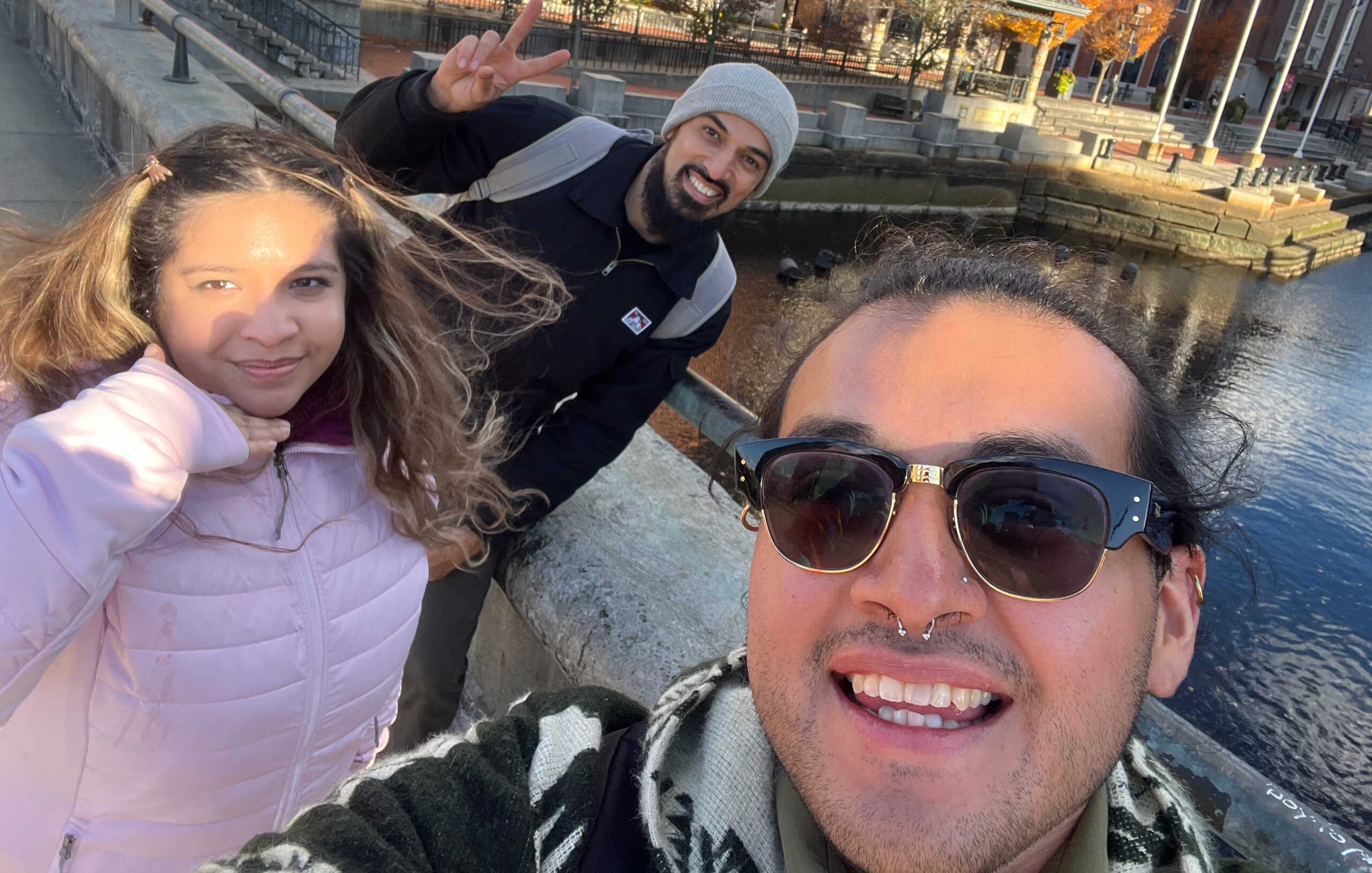
EntreNos team members Jose Dominguez Magdaleno and Jazmin Pacheco
Safety
We had the privilege of interviewing 12 Spanish-speaking Latine caregivers, all from the following Spanish-speaking countries: Mexico, Colombia, Guatemala, and the U.S.A. Common concern shared by end users was that many of them did not feel comfortable traveling in-person, as they feared for their safety due to ICE surveillance and forceful actions throughout the city of Chicago.
Immediately, our first thought was to meet our end users’ needs and interview them in their community. Then reality hit. If we all went out into the community, we would be putting our own safety at risk. As Latine brown researchers, we recognized we were not protected from the violence from ICE agents. We quickly shifted to conducting most of our interviews online through Zoom and Google Meet. This low-risk alternative turned out to be a win-win for all: Not only did our caregivers feel safe in the comfort of their homes, but we also prioritized our own protection.
Safety and security are crucial at any stage, and it often takes some planning to consider these concerns, as you want to build trust and confidence with the end users.
Safety and security are crucial at any stage, and it often takes some planning to consider these concerns, as you want to build trust and confidence with the end users. Plus, a secure environment allows all human-centered design researchers to continue working toward the project’s end goal. It may seem common sense that safety should be in place when conducting our projects, but the current climate reminded us that growing threats make safety precarious and something we should always actively work towards.
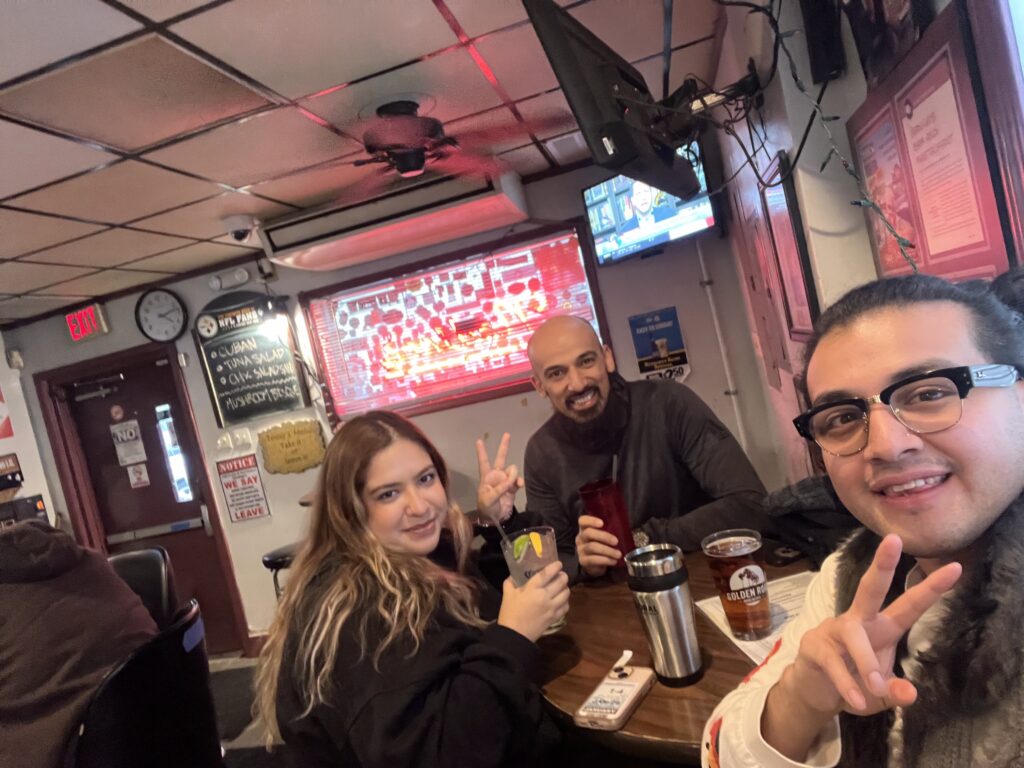
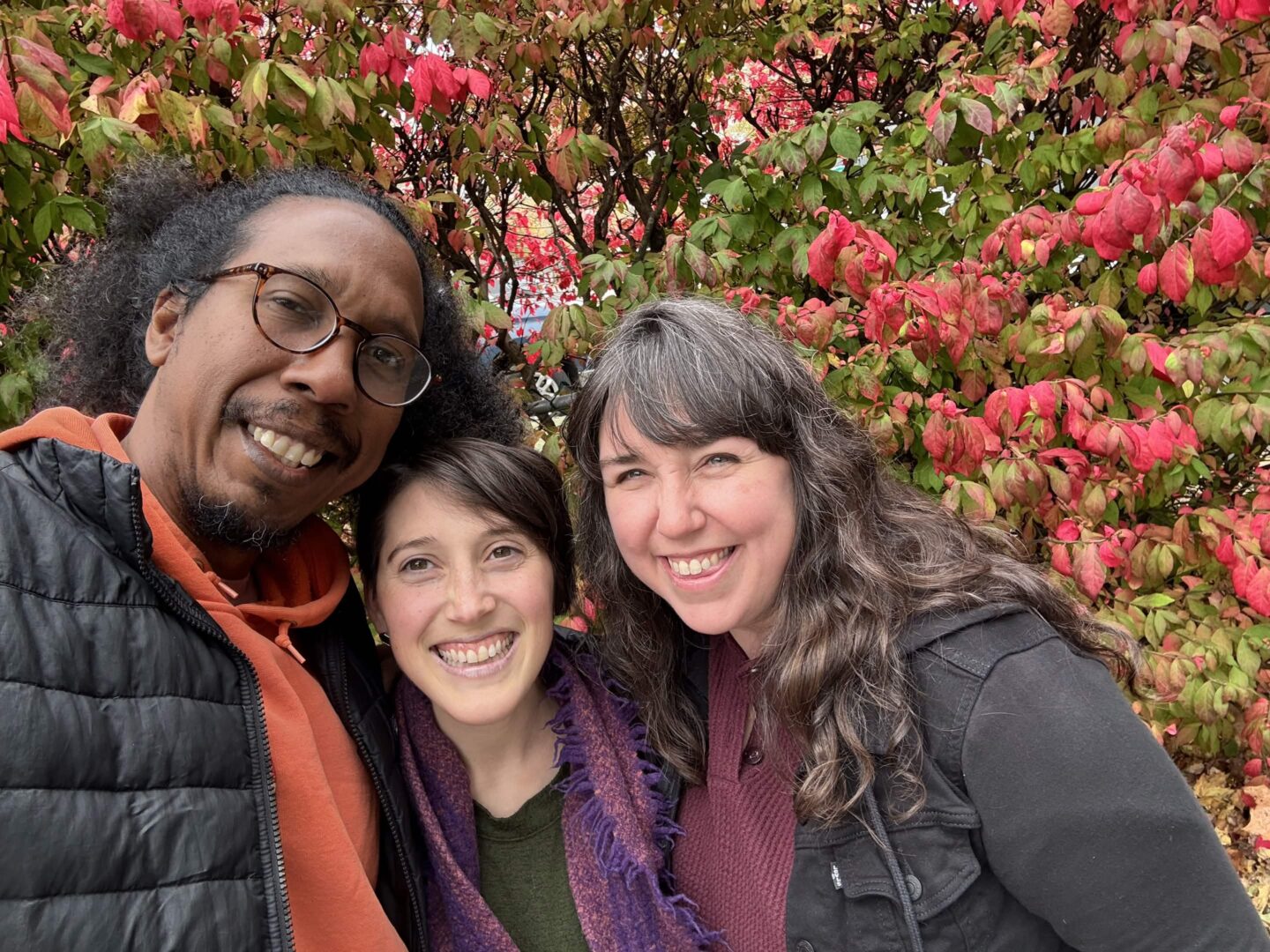
Jazmin Pacheco, Claudio Rivera, and Jose Dominguez Magdaleno
Budget
As a means of an incentive and thank you for our interviewees’ participation, each received a physical or digital gift card. Our initial goal was to conduct in-person interviews and hand over a physical gift card, so there weren’t any barriers to email and technology access.
Since most of our interviews took place online, we had to pivot and go old school and mail them out or physically drop them off in person. Lyft and the post office were happy to see us coming. From this experience, we strongly advise that future teams work around a flexed budget for any unexpected costs, such as transportation and/or any sudden cost disruptions.
During our prototype phase, we were able to do in-person testing and deliver digital gift cards in the moment. A big suggestion would be to use digital gift cards instead of physical ones to save time and money and schedule extra time to support participants in navigating their email and instructions of digital gift cards.
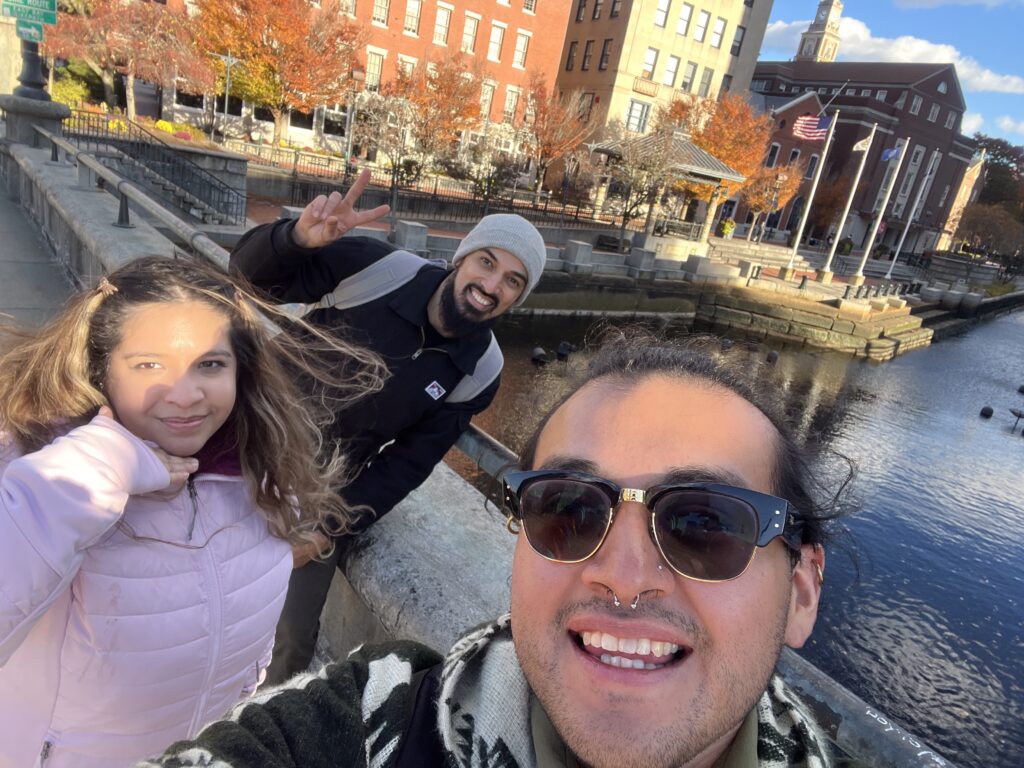
Self-Care
We are all human beings at the end of the day with feelings and emotions. Our end users are tired of constantly being in survival mode, especially under this political climate. To combat this reality, our team allowed space for the caregivers to rant and have some minutes to destress before officially starting their formal interview. We also came to realize that we, too, needed time to self-care, as we are also going through the same emotions. It was these moments of relief as a team that allowed us to move forward during the burnout and tragedies.
Never take shame in allowing plans to be pushed back for a couple of minutes to allow your end users to feel safe and seen.
Never take shame in allowing plans to be pushed back for a couple of minutes to allow your end users to feel safe and seen. Most importantly, don’t ever feel bad in allowing yourself to self-care, as we all need moments to re-energize and have the strength to continue our work.
These three Latines seek to continue to grow and learn from the wisdom of those who have fought and continue to fight for a better world, and we hope our contributions add value for the upcoming In/Tend cohort of innovators.
Interested in learning more about In/Tend and how you can join our teams of dreamers, doers, and changemakers? Make sure you’re on our email list to get the latest updates and stay inspired.
Photos By: EntreNos
Jazmin Pacheco and Jose Dominguez Magdaleno are Bilingual Health Educators at Ann Robert H. Lurie Children’s Hospital, and Dr. Claudio Rivera is an Assistant Professor and Clinical Psychologist at the University of Chicago Medicine. Their work focuses on empowering adolescents, young adults, and caregivers in both Spanish and English with the means to improve the overall health of underfunded communities in the city of Chicago.