

JANUARY 26, 2026
It was late high school the first time I heard someone refer to asexuality. The only context I had for this term was biology class a few years earlier where we had learned about how some organisms could reproduce asexually by splitting themselves in two, and after considering what it would look like if a person tried to do that, I concluded there must be something I was missing.
Reflecting now on the sex education I received growing up, it was all too apparent that any discussion of asexuality was completely absent.
It took my own searching to discover that asexuality is a sexual orientation where someone experiences little to no sexual attraction. Reflecting now on the sex education I received growing up, it was all too apparent that any discussion of asexuality was completely absent.
It might seem counterintuitive to talk about a lack of sexual attraction when learning about sex, but here are four reasons why it makes complete sense for comprehensive sex ed to include discussions about asexuality.
Some asexual people have sex
Asexuality exists on a spectrum, ranging from being sex repulsed to sex favorable, and, of course, everything in between. And contrary to popular belief, some asexual people do have sex. They might want to build a closer physical connection with their partner. They might want to have a baby. They might experience some sexual attraction. There are tons of valid reasons why an asexual person might choose to have sex—but ultimately, this means you can’t assume someone who is asexual won’t ever have sex.
Discussing these nuances, rather than ignoring them or flattening asexuality to one specific experience, helps build a more robust understanding of sexuality. It creates opportunities to discuss how to navigate relationships where one partner is more interested in sex than another or other ways physical intimacy shows up in relationships.
Sex ed is about so much more than just sex
Sex educators are probably used to reciting this whenever prompted, but sex ed is not just about having sex. It covers healthy relationships, communication techniques, self-esteem, media literacy, and so much more. These transferrable skills benefit young people for the rest of their lives in their relationships, friendships, and jobs, whether or not they end up having sex.
A key part of sex ed is the concept of consent. In learning “yes means yes,” it’s also critical to understand the difference between an enthusiastic “yes!” and someone acquiescing out of pressure or fear. Learning about all the ways we ask for and give consent, even outside of sex, helps build healthier communication in relationships of all kinds.
Everyone deserves to understand their body
Even for people who aren’t interested in having sex, understanding their anatomy and how to access reproductive health care helps them stay well. A young person who isn’t having sex may not need a pap smear yet, for example, but knowing about the process and the importance of preventative screenings sets them up for a healthier future.
A major part of any sex ed curriculum is often birth control, which, yes, is commonly used to prevent pregnancy and STIs. Asexual young people might assume they don’t need birth control, but sex ed can highlight the many reasons people use it beyond pregnancy and STI prevention. Different forms of birth control can help relieve period cramps, alleviate the symptoms of premenstrual syndrome (PMS) or premenstrual dysphoric disorder (PMDD), and even reduce pain associated with endometriosis.
Inclusion means validation and connection
Sex ed creates a safe space for young people to ask questions, get answers, and understand a little bit more about themselves.
While it’s being discussed more online and in pop culture, asexuality is still often misunderstood—if it’s understood at all. Especially for young people who are navigating finding their place in the world, it can be incredibly isolating to think they’re the only person who feels this way. Even just naming asexuality can help students feel a little less alone and may even lead them to finding others who identify the same way. Sex ed creates a safe space for young people to ask questions, get answers, and understand a little bit more about themselves.
And for young people who are still learning about their identities, incorporating asexuality into sex ed can reassure them, in the words of Sex Education‘s Jean Milburn, that, “Sex doesn’t make us whole, and so how could you ever be broken?”
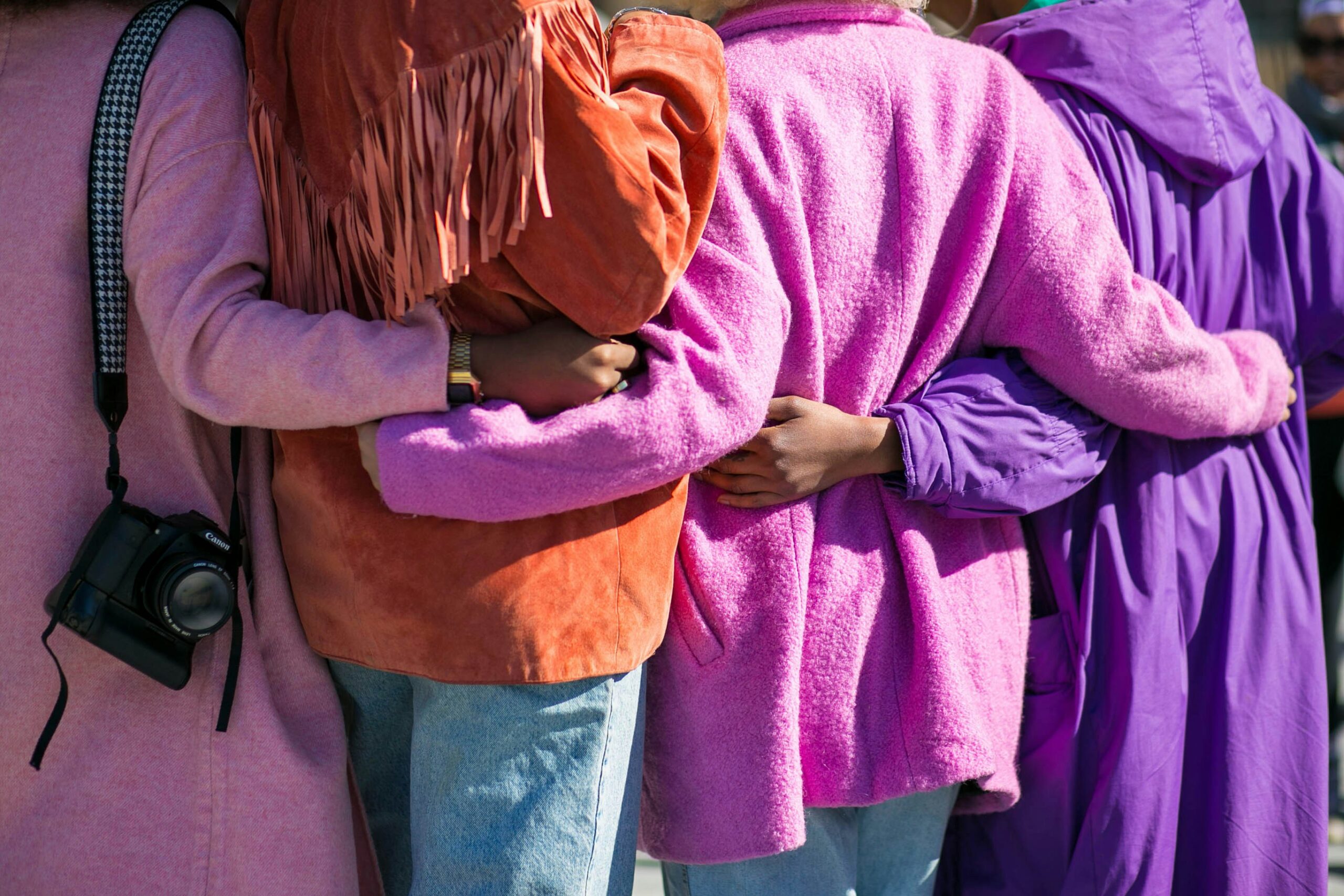
Photo By: Jo Panuwat D
Megan Thomas is a Communications Manager at Healthy Teen Network. When she’s not thinking about how to support the health and well-being of young people, Megan enjoys watching movies, trying new restaurants with friends, exploring the neighborhood with her dog, and occasionally treading the boards at the local community theatre. Read more about Megan.