
APRIL 22, 2026
Tree plantings, stream cleanups, and park renovations are classic, often-celebrated Earth Day wins. Less recognized, but just as true, is that investments like these are also wins for adolescent health—supporting young people’s movement, mood, connection, and belonging.
What would communities look like if we designed green spaces and civic infrastructure with adolescents in mind?
But not every good-for-the-environment improvement benefits adolescents equally. Some changes shape young people’s daily lives far more than others. This Earth Day, it may be worth asking: What would communities look like if we designed green spaces and civic infrastructure with adolescents in mind?
1. Parks and playgrounds would be higher, wilder, faster, and more challenging.
In the United States, playgrounds are often designed almost entirely for young children. Across the United States, too many parks repeat the same brightly painted, prefabricated, 12-foot jungle gyms. Rubber surfacing and mulch chips smooth away nearly every conceivable risk.
Despite the state of our collective playscape, play does not end at age ten. Older youth, too, need outdoor places to move, explore, test themselves, and take healthy risks.
That could mean taller structures, giant swings, ropes and ziplines, boulders to climb, stepping stones to cross, trails to roam, and wildlife to discover—spaces that feel exciting rather than overly cautious or childish. For children of all ages, it could also mean embracing the worldwide “adventure playground” concept, giving young people more chances for unrestricted play and creativity, with playworkers who remove hazards while preserving risk.
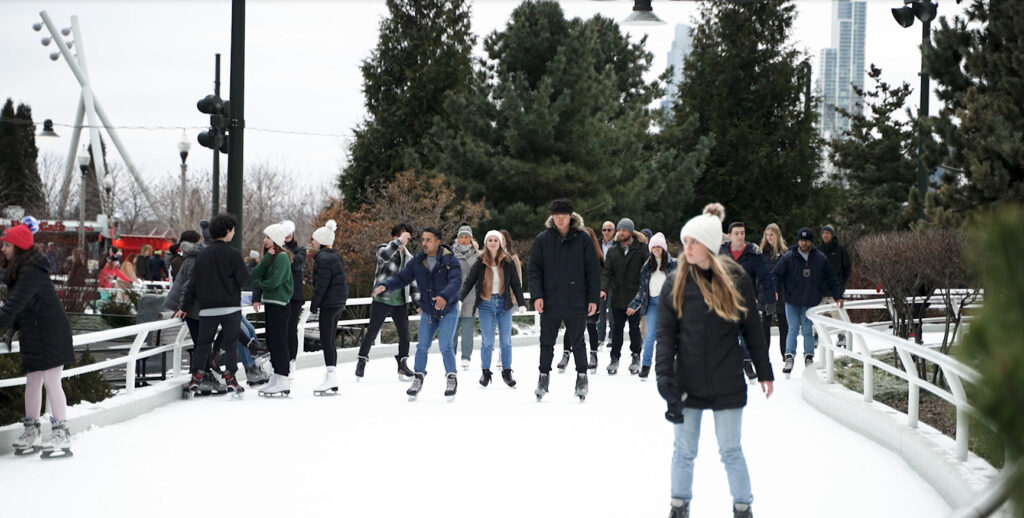
Not your little sister’s ice rink. At Maggie Daley Park Ice Skating Ribbon, visitors skate along a winding ribbon through trees and plantings, with twists, turns, and gentle slopes that turn a winter day into an adventure. Image credit: Chicago Park District
2. We’d stop designing girls out of public space.
Many adolescents age out of playgrounds before they age into spaces that welcome them. They may be too old for the swing set, yet too young—or too broke—for restaurants, bars, and other commercial hangouts, especially as shopping and lifestyle centers increasingly restrict groups of young people. The result is a nearly nonexistent landscape of adolescent “third spaces.”
This can be especially pronounced for teen girls. The UK-based campaign Make Space for Girls has helped spotlight how many parks are built around young men, prioritizing courts and competitive sports while overlooking the ways many girls prefer to socialize and recreate. Centralized, multi-use sports courts, benches facing the action, and nowhere to gather in small groups quietly send a message about just who belongs.
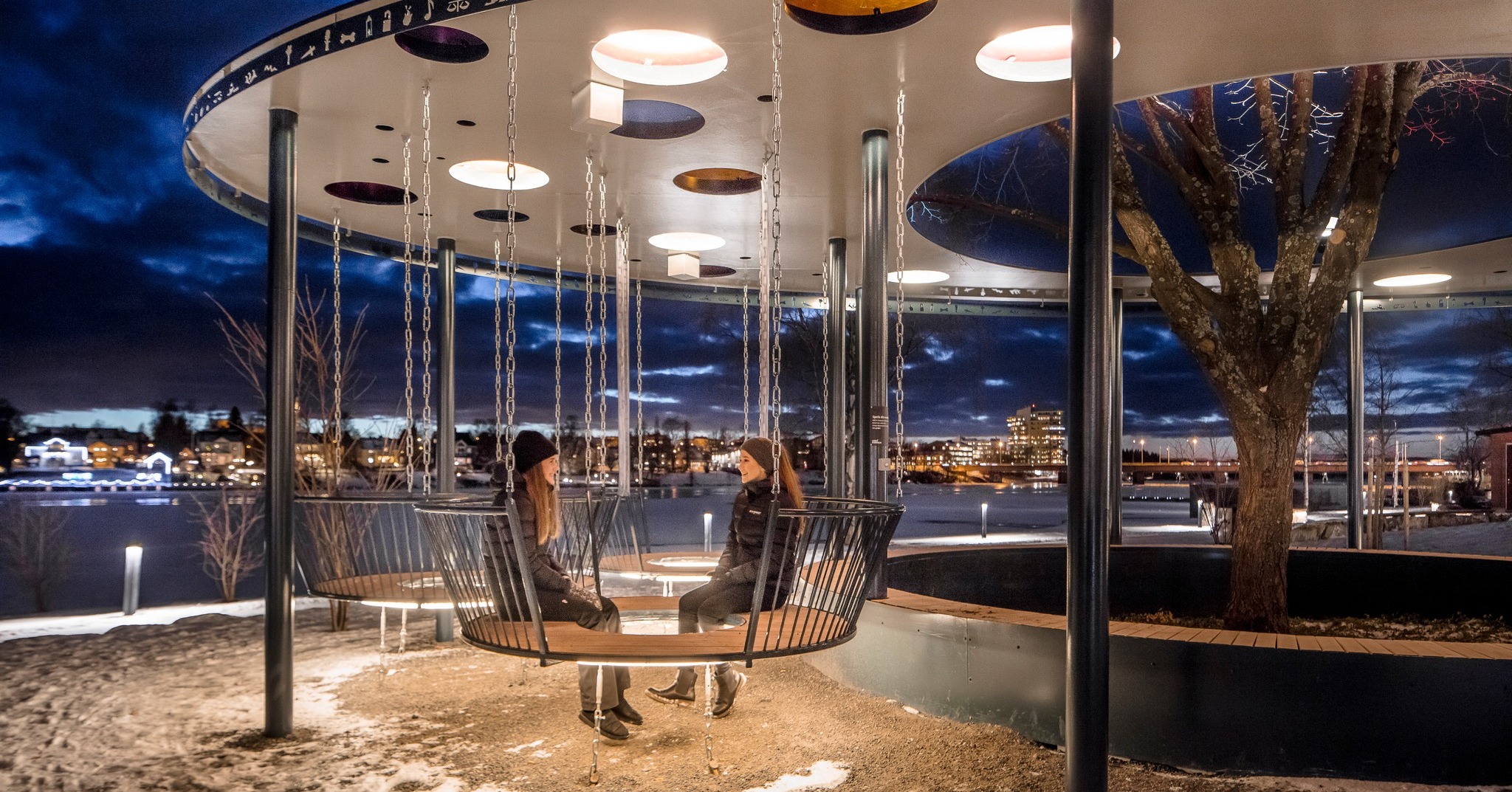
What helps? Shaded groves, more grown-up swings, hammocks, semi-private face-to-face seating, and paths wide enough to walk side-by-side. These kinds of features recognize that conversation, comfort, and simply spending time together are valid forms of recreation—and essential ingredients to lifelong health.
Green spaces and civic infrastructure that promote socializing do not only benefit girls, of course. NYC Open Streets highlights how infrastructure once reserved for cars can become a place—even temporarily—to gather, reconnect with neighbors, and spend time together off screens. Some advocates have called for making these spaces permanent by adding street trees, bioswales, and other green and traffic-calming infrastructure—which, if realized, expand the nation’s largest city’s supply of civic commons, fostering connection and belonging for teens and young adults one neighborhood at a time.
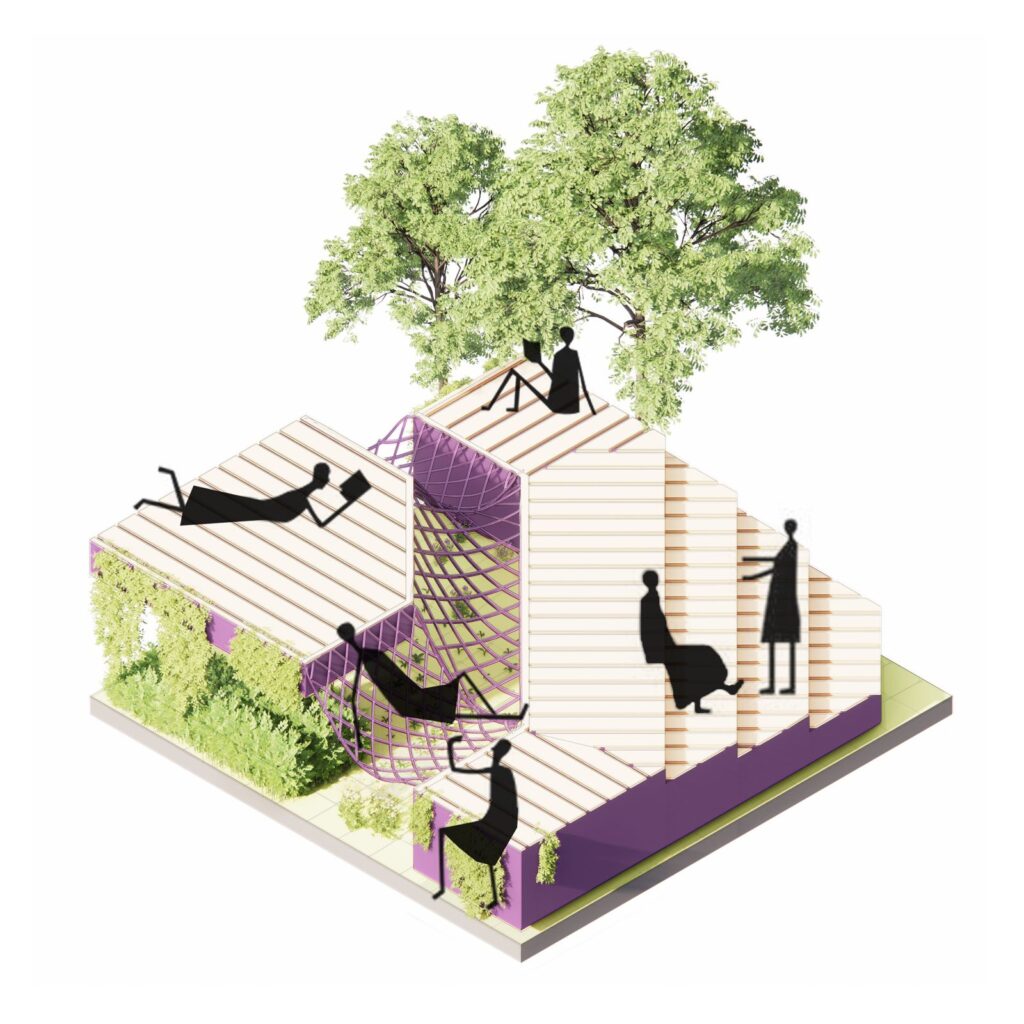
Make Space for Girls created a series of images to spark conversation about what spaces designed with teenage girls in mind might include. In this one, platforms, rope netting, and the shade of a tree create a place to sit, climb, or simply lie around with friends. Getting up higher can feel safer, too. Image credit: Make Space for Girls
3. We’d make room for adventure, autonomy, and the uses young people invent.
As someone from Northern Appalachia, I know very well that not every meaningful youth space arrives with a ribbon-cutting. Some of my most cherished escapes from teenage ennui were unofficial ones: mountainside bike trails, swimming holes and tire swings, and mine-scarred gathering spots for bonfires and bad decisions. On the fringes of privatized, commodified, and liability-obsessed social order, these places offered something many adolescents crave: freedom to roam, take chances, and slip beyond the near-constant gaze of adults.
Cities have often learned this lesson after the fact. In Portland, Oregon, the skate community built ramps beneath the Burnside Bridge without permission, transforming leftover infrastructure into what became the iconic Burnside Skatepark. What began as unsanctioned, illegal use was later embraced by the city, revealing what policymakers and planners earlier had missed: Small, janky, do-it-yourself changes to open spaces prove that the people who use a space are often its best builders.
Other communities have made space more strategically. In Lafayette, Louisiana, a downtown group got the city to install what were presented as benches in a park grappling with perceptions of being unwelcoming and unsafe. In practice, these “benches” were some of the most skateable features you can imagine.
The result was a neglected park reactivated by skaters, young people, and eventually a wide range of residents, giving adolescents an outdoor place to gather, get active, and pursue a pastime too often treated as unwelcome and unsanctioned.
Sometimes the healthiest thing a city can do is leave room for young people to make a place their own.
Sometimes the healthiest thing a city can do is leave room for young people to make a place their own.
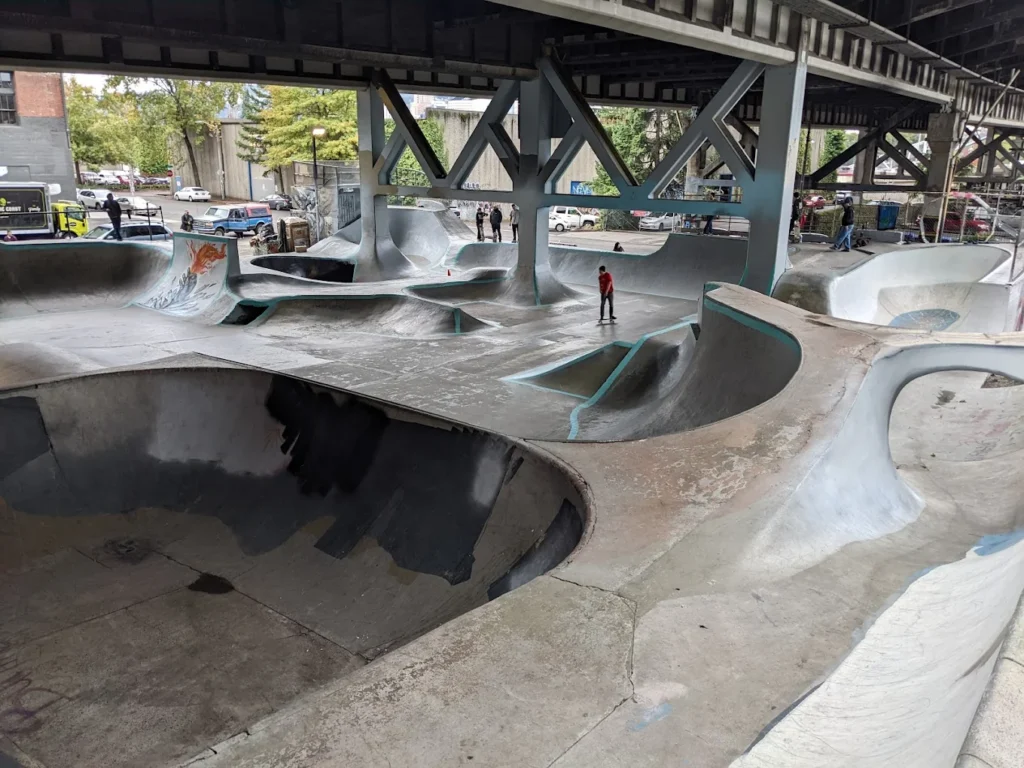
Small, incremental changes to the built environment is how cities have been built for millennia. Burnside Skatepark, a contemporary example, started when skaters created ramps one bag of concrete at a time. Image Credit: Joseph Brock, Google Maps
So this Earth Day, let’s recommit to building communities that are not only greener, but healthier places for all young people—even the taller, sometimes awkward ones—to live, play, gather, and belong.
Photo By: Make Space for Girls
Nicholas Sufrinko is a Senior Communications Manager at Healthy Teen Network and is the brand and creative lead behind many of our projects. You can often find him hiking, biking, or stargazing. Read more about Nick.